

General liability insurance for contractors remains one of the most frequently misunderstood—and most essential—coverages for construction professionals. Many contractors question whether they truly need this protection, particularly if they’ve operated for years without a claim. However, a single significant claim can demonstrate exactly why this coverage matters. According to industry data, general liability premiums for contractors typically range from approximately $500 to $3,000 or more per year for basic coverage, with costs varying significantly based on trade, revenue, location, and risk factors (Source: Insurance Information Institute, iii.org).
For most contractors, general liability insurance isn’t optional—it’s foundational. Beyond protecting your assets, this coverage unlocks jobs you simply cannot bid without it. Industry practice shows that the vast majority of general contractors require subcontractors to carry comprehensive general liability insurance before stepping onto a jobsite. Property owners, developers, and commercial clients typically demand certificates of insurance as a condition of contracting.
Important Disclaimer: This article is for informational purposes only and does not constitute legal, insurance, or financial advice. Insurance requirements and regulations vary by state and industry. Premium estimates represent general ranges based on industry sources and may not reflect your specific situation. Consult with a licensed insurance professional or attorney for guidance specific to your circumstances.
This complete guide walks you through everything contractors need to know about general liability coverage in 2026: what’s covered and what’s not, how much you might expect to pay, state-specific requirements across key states including California, Texas, Florida, Illinois, New Jersey, and Pennsylvania, and a step-by-step buying checklist to help you secure appropriate coverage at competitive prices.
Table of Contents
What General Liability Insurance for Contractors Actually Covers

General liability insurance for contractors protects your business when third parties—clients, visitors, or bystanders—suffer bodily injury or property damage connected to your operations. This coverage is typically built on the ISO Commercial General Liability (CGL) form CG 00 01, which provides standardized protection across carriers while allowing endorsements for contractor-specific exposures (Source: ISO/Verisk, verisk.com).
Understanding what this policy covers is essential for any contracting business. The gaps between expectation and reality often cause the most problems at claim time. The standard CGL policy provides several distinct coverage components, each addressing different types of third-party claims.
Coverage Components Explained
| Coverage Component | What’s Protected | Standard Limit | Common Claim Examples |
|---|---|---|---|
| Bodily Injury | Third-party physical harm | $1M per occurrence | Client trips over tools, falls |
| Property Damage | Damage to others’ property | $1M per occurrence | Equipment damages neighboring property |
| Personal Injury | Libel, slander, false arrest | $1M per occurrence | Defamation claim from competitor |
| Advertising Injury | Copyright, misappropriation | $1M per occurrence | Using competitor’s marketing materials |
| Medical Payments | Minor injury costs (no-fault) | $5K-$10K | Visitor sustains minor injury on jobsite |
| Products-Completed Operations | Post-completion claims | $2M aggregate | Work-related damage appears after completion |
Source: Standard CGL policy structure per ISO form CG 00 01 (IRMI.com)
Bodily Injury Coverage responds when a third party suffers physical harm related to your business operations. This includes injuries occurring at your jobsite, injuries caused by your employees while working, and injuries resulting from conditions you create. The coverage pays for medical expenses, lost wages, pain and suffering, and legal defense costs if you’re sued.
Property Damage Coverage protects you when your operations damage someone else’s property. This commonly includes damage to client property during construction, damage to neighboring properties, and damage caused by your equipment or materials. The coverage pays for repair or replacement costs and legal defense.
Personal and Advertising Injury Coverage addresses non-physical harms such as defamation, invasion of privacy, and copyright infringement in advertising. While less common for contractors, these claims can arise from marketing materials or business disputes.
Products-Completed Operations Coverage deserves special attention for contractors. This protection typically covers claims arising after you’ve finished the job and left the site—a critical exposure since many construction defects don’t appear until months or years later. According to the Insurance Information Institute, completed operations claims represent a significant portion of contractor liability exposure (Source: iii.org).
Understanding Policy Limits
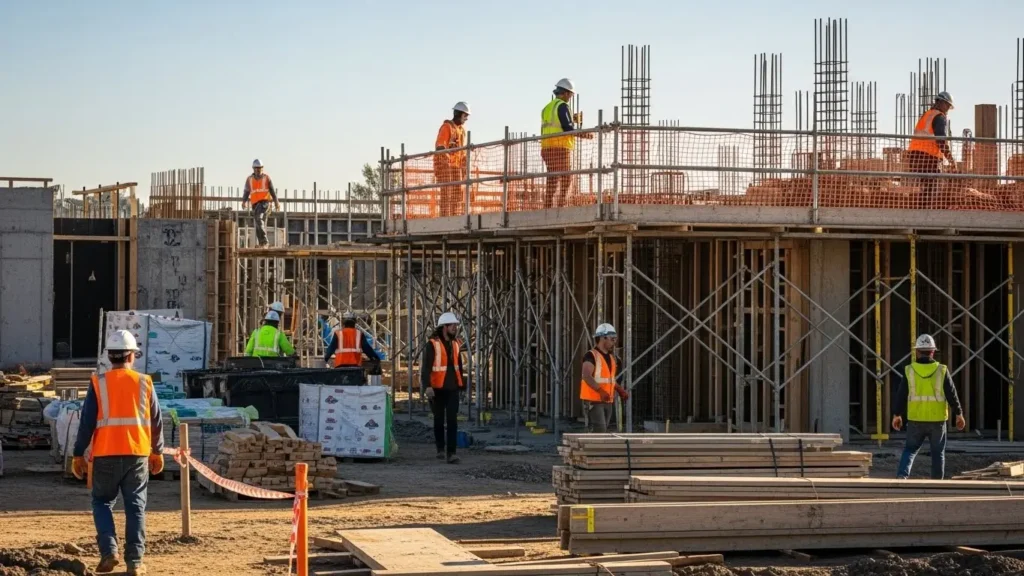
General liability policies include several limit types that contractors should understand:
| Limit Type | Standard Amount | What It Means |
|---|---|---|
| Per-Occurrence Limit | $1,000,000 | Maximum paid for any single claim |
| General Aggregate | $2,000,000 | Maximum paid for all claims in policy period |
| Products-Completed Ops Aggregate | $2,000,000 | Separate limit for completed work claims |
| Personal/Advertising Injury | $1,000,000 | Maximum for these claim types |
| Medical Payments | $5,000-$10,000 | Per-person limit for minor injuries |
| Damage to Rented Premises | $100,000-$300,000 | Fire damage to rented spaces |
Source: Standard CGL limit structure (IRMI.com, III)
The general aggregate limit is particularly important because it caps total annual payments. If multiple claims exhaust your aggregate, you have no coverage for the remainder of the policy period unless you purchase aggregate reinstatement.
What General Liability Does NOT Cover
Understanding the coverage gaps in standard contractor general liability policies is equally important. These exclusions often catch contractors off-guard at claim time.
| Exclusion | What’s NOT Covered | Coverage Solution |
|---|---|---|
| Professional services | Design errors, engineering mistakes | Professional liability (E&O) insurance |
| Employee injuries | Workers hurt on the job | Workers’ compensation (required in most states) |
| Your own property | Tools, equipment, vehicles | Inland marine, commercial auto |
| Intentional acts | Deliberate damage or harm | Generally not insurable |
| Pollution | Environmental contamination | Pollution liability endorsement |
| Faulty workmanship | Cost to redo your own work | Generally not insurable |
| Contractual liability | Some assumed obligations | Review contract terms carefully |
| Auto-related claims | Vehicle accidents | Commercial auto insurance |
| Employment practices | Discrimination, harassment | EPLI coverage |
Source: Standard CGL exclusions per ISO form CG 00 01 (IRMI.com)
The distinction between general liability and professional liability is critical. General liability covers bodily injury and property damage; professional liability covers financial harm from professional advice or design services. Contractors who provide design-build services or professional recommendations may need both coverages. When evaluating your insurance needs comprehensively, it’s advisable to obtain both general liability and professional liability insurance quotes to compare coverage options and understand the total cost of adequate protection for your specific operations.
The Faulty Workmanship Exclusion often surprises contractors. General liability typically does not cover the cost to repair or replace your own defective work—only damage that defective work causes to other property. For example, if a plumber installs a pipe incorrectly and it leaks, general liability may cover damage to the homeowner’s flooring but not the cost to replace the pipe itself.
General Liability Insurance for Contractors Cost: 2026 Pricing Guide
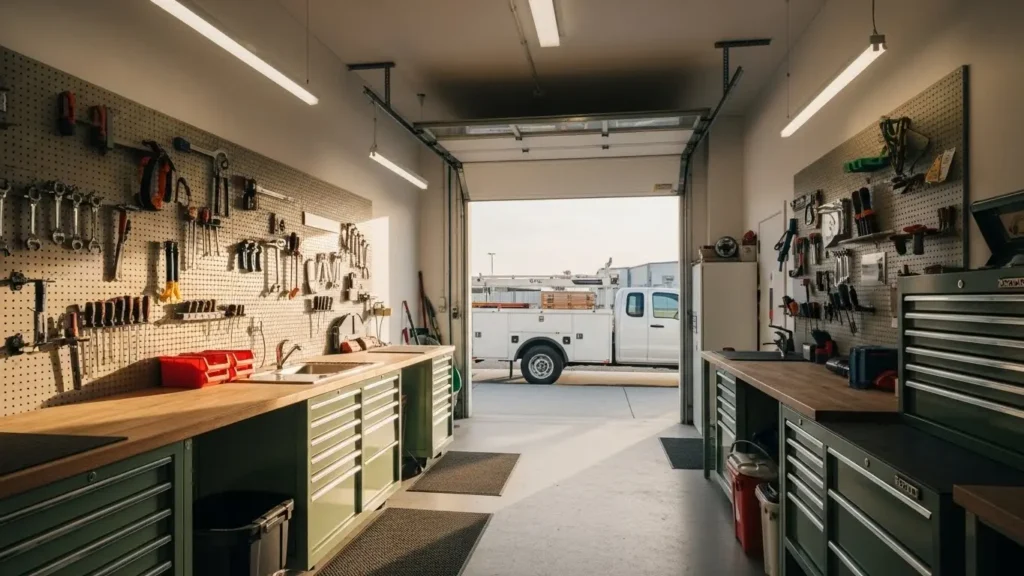
The question contractors ask most often is straightforward: “What will general liability insurance for contractors cost me?” The answer depends on several factors, and pricing varies significantly across the market.
Important Note on Pricing: The following premium ranges represent general estimates compiled from industry sources including the Insurance Information Institute, Insureon, and other insurance marketplace data. Actual premiums vary significantly based on your specific circumstances, claims history, location, carrier, and underwriting factors. Always obtain personalized quotes for accurate pricing.
Industry Premium Estimates by Trade
According to insurance marketplace data, contractor general liability insurance premiums vary widely by trade classification. Trade classification is one of the most significant rating factors because it reflects the inherent risk level of different types of work.
| Contractor Trade | Relative Risk Level | Estimated Annual Premium Range* | Key Risk Factors |
|---|---|---|---|
| Painting Contractors | Lower | $500-$2,500 | Lower physical risk, less property exposure |
| Handyman Services | Lower | $500-$2,000 | Limited scope of work |
| Carpet/Flooring Installation | Low-Moderate | $600-$2,500 | Indoor work, moderate exposure |
| HVAC Contractors | Low-Moderate | $700-$3,000 | Moderate technical risk |
| Landscaping | Moderate | $800-$3,500 | Equipment use, property exposure |
| Electrical Contractors | Moderate | $1,000-$4,000 | Fire risk, technical complexity |
| Plumbing Contractors | Moderate | $1,000-$4,000 | Water damage exposure |
| General Contractors | Moderate-High | $1,500-$5,000+ | Broader exposure, subcontractor risk |
| Carpentry/Framing | Moderate-High | $1,500-$5,000+ | Structural work exposure |
| Concrete/Masonry | Moderate-High | $2,000-$6,000+ | Physical labor intensity |
| Excavation/Grading | Higher | $2,000-$7,000+ | Underground utilities, property damage |
| Roofing Contractors | Higher | $2,500-$8,000+ | Height exposure, weather damage |
Estimates for $1M/$2M coverage limits, clean claims history. Based on insurance marketplace data (Insureon, CoverWallet, III). Actual premiums vary significantly by location, revenue, claims history, and carrier.
Premium Factors Explained
Insurance carriers evaluate multiple factors when pricing contractor general liability policies. Understanding these factors can help you present the best possible risk profile and potentially secure more competitive pricing.
| Factor | Impact Level | How It Affects Premium |
|---|---|---|
| Trade classification | High | ISO classification codes determine base rates; higher-risk trades pay more |
| Annual revenue | High | Primary exposure base; more revenue = more exposure = higher premium |
| Payroll | High | Secondary exposure base for some trades |
| Claims history | High | Past claims indicate future risk; claims typically increase rates |
| Years in business | Moderate | Established businesses may receive better rates |
| Geographic location | Moderate | Litigation environment, labor costs, and local regulations affect pricing |
| Safety programs | Moderate | Documented programs may qualify for premium credits |
| Subcontractor usage | Moderate | Subcontractor exposure affects overall risk profile |
| Deductible selection | Moderate | Higher deductibles reduce premium |
| Prior coverage | Low-Moderate | Continuous coverage history viewed favorably |
Source: General underwriting factors per IRMI.com and carrier guidelines
Trade Classification uses ISO classification codes that group similar businesses based on their risk characteristics. Misclassification—either too high or too low—affects your premium and can cause problems at claim time. Ensure your classification accurately reflects your actual operations.
Revenue and Payroll serve as exposure bases because they correlate with business activity level. More revenue typically means more jobs, more workers on sites, and more opportunities for claims to occur. Accurate reporting is essential; underreporting can result in significant audit bills.
Claims History significantly impacts pricing. Carriers typically review the past 3-5 years of claims. Even small claims can affect rates, and multiple claims or large claims can substantially increase premiums or limit market options.
Geographic Location matters because litigation environments, jury award patterns, and local regulations vary by state and even by county. Contractors in areas known for higher jury verdicts typically pay more than those in more conservative jurisdictions.
Cost by Business Size
Premium generally increases with business size, though the cost per dollar of revenue often decreases for larger contractors due to economies of scale.
| Annual Revenue | Typical Premium Range* | Notes |
|---|---|---|
| Under $100,000 | $500-$1,500 | Minimum premiums often apply |
| $100,000-$300,000 | $800-$2,500 | Small contractor range |
| $300,000-$500,000 | $1,200-$4,000 | Growing contractor range |
| $500,000-$1,000,000 | $2,000-$6,000 | Established contractor range |
| $1,000,000-$2,500,000 | $3,500-$10,000 | Mid-size contractor range |
| Over $2,500,000 | $7,000+ | Large contractor; may need higher limits |
Estimates vary significantly by trade, location, and other factors. Source: Insurance marketplace data.
Deductible Considerations
Deductible selection impacts your premium and out-of-pocket exposure at claim time. Choosing the right deductible requires balancing premium savings against your ability to fund the deductible if a claim occurs.
| Deductible Level | Typical Premium Impact | Best For | Cash Reserve Needed |
|---|---|---|---|
| $0-$500 | Highest premium | New contractors, tight cash flow | Minimal |
| $1,000-$2,500 | Moderate savings (5-15%) | Established contractors | $2,500-$5,000 |
| $5,000-$10,000 | More significant savings (10-20%) | Larger contractors, low claims | $10,000-$25,000 |
| $10,000-$25,000 | Substantial savings (15-25%) | Well-capitalized contractors | $25,000-$50,000 |
Percentage savings are estimates and vary by carrier and risk profile.
Recommendation: Select a deductible you can comfortably pay without financing if a claim occurs. The premium savings from a higher deductible provide little benefit if paying the deductible creates financial hardship.
State-Specific Requirements for Contractor General Liability

Contractor licensing and insurance requirements vary by state. Insurance is regulated at the state level in the United States, so requirements differ across jurisdictions (Source: NAIC, naic.org). Understanding these requirements is essential for compliance and for bidding on projects in different states.
Important: State requirements change periodically. The information below reflects general requirements as of early 2026. Always verify current requirements with your state’s contractor licensing board or department of insurance before making decisions.
General Liability Insurance California
California maintains strict contractor licensing requirements through the Contractors State License Board (CSLB). California is known for having one of the more rigorous licensing systems in the country. Understanding general liability insurance California requirements is essential for contractors operating in this state.
| Requirement | Details | Verification Source |
|---|---|---|
| Contractor license | Required for projects over $500 (including labor and materials) | CSLB.ca.gov |
| License bond | $25,000 contractor’s bond required | CSLB.ca.gov |
| Workers’ compensation | Required if you have any employees; exemption filing available for owners with no employees | DIR.ca.gov |
| General liability | Not state-mandated for licensing, but typically required by clients and GCs | Industry practice |
| Minimum limits commonly required | $1M per occurrence / $2M aggregate | Contract requirements |
Verify current requirements at cslb.ca.gov and dir.ca.gov
California-Specific Considerations: California’s litigation environment is considered more plaintiff-friendly than many states, which can affect both premium pricing and coverage availability. The state also has specific requirements for residential contractors and home improvement contracts.
General Liability Insurance Texas
Texas has a less regulated contractor environment at the state level, though local jurisdictions may have their own requirements. For general liability insurance Texas contractors should understand that while not state-mandated, coverage is typically required contractually.
| Requirement | Details | Verification Source |
|---|---|---|
| State contractor license | Not required for most trades at state level | TDLR.texas.gov |
| Local licensing | May be required in Houston, Dallas, Austin, San Antonio, and other municipalities | Local building departments |
| Workers’ compensation | Not mandatory for most private employers in Texas | TDI.texas.gov |
| General liability | Not state-mandated, but typically required by clients and GCs | Industry practice |
Verify current requirements at tdlr.texas.gov and local building departments
Texas-Specific Considerations: While Texas doesn’t require workers’ compensation, contractors without it face significant liability exposure for employee injuries. Most commercial clients and general contractors require both workers’ comp and general liability regardless of state requirements.
General Liability Insurance Florida
Florida requires contractor licensing through the Department of Business and Professional Regulation (DBPR) and has specific insurance requirements for certain contractor categories. When it comes to general liability insurance Florida presents unique considerations due to hurricane exposure and the state’s litigation environment.
| Requirement | Details | Verification Source |
|---|---|---|
| State contractor license | Required for most construction trades | MyFloridaLicense.com |
| Workers’ compensation | Required for contractors in construction with 1+ employees | MyFloridaCFO.com |
| General liability | Required for certified contractors ($300,000 minimum for some categories) | DBPR requirements |
| License types | Certified (statewide) vs. Registered (county-specific) | DBPR |
Verify current requirements at myfloridalicense.com
Florida-Specific Considerations: Florida’s hurricane exposure creates unique risks for contractors, particularly those in roofing, windows, and exterior work. Completed operations coverage is especially important given the potential for delayed storm damage claims. Some carriers have restrictions on coastal work.
General Liability Insurance Pennsylvania
Pennsylvania licensing requirements vary by municipality rather than being regulated at the state level. For general liability insurance PA contractors should check both state and local requirements, as Philadelphia and Pittsburgh have their own licensing systems.
| Requirement | Details | Verification Source |
|---|---|---|
| State contractor license | No statewide requirement | PA.gov |
| Local licensing | Required in Philadelphia, Pittsburgh, and many other municipalities | Local building departments |
| Home improvement contractor registration | Required for residential work in Pennsylvania | PA Attorney General |
| Workers’ compensation | Required for employers with 1+ employees | DLI.pa.gov |
| General liability | Not state-mandated | Industry practice |
Verify current requirements at pa.gov and local building departments
General Liability Insurance Illinois
Illinois does not have statewide contractor licensing, though Chicago and other municipalities maintain their own requirements. For general liability insurance Illinois contractors face a competitive market with multiple carrier options available.
| Requirement | Details | Verification Source |
|---|---|---|
| State contractor license | No statewide requirement for general contractors | IDFPR.com |
| Chicago licensing | Required for many contractor categories | Chicago.gov |
| Roofing contractor license | Required statewide for roofing work | IDFPR.com |
| Workers’ compensation | Required for employers | IWCC.il.gov |
| General liability | Not state-mandated | Industry practice |
Verify current requirements at idfpr.com and local building departments
General Liability Insurance New Jersey
New Jersey requires contractor registration and has specific requirements for home improvement contractors. For general liability insurance NJ contractors should note that premiums may be higher than national averages due to the state’s litigation environment.
| Requirement | Details | Verification Source |
|---|---|---|
| Home improvement contractor registration | Required for residential work | NJConsumerAffairs.gov |
| Workers’ compensation | Required for employers | NJ.gov/labor |
| General liability | Not state-mandated | Industry practice |
| Liability insurance disclosure | Must disclose insurance status to consumers | Consumer protection requirements |
Verify current requirements at njconsumeraffairs.gov
State Requirements Summary Table
| State | Statewide License | GL Insurance Mandated | Workers’ Comp Required | Key Notes |
|---|---|---|---|---|
| California | Yes | No (but often required by CSLB for certain licenses) | Yes (with employees) | Strict licensing, bond required |
| Texas | No | No | No (but recommended) | Local licensing varies |
| Florida | Yes | Some categories | Yes (construction) | Hurricane exposure considerations |
| Pennsylvania | No | No | Yes (with employees) | Local licensing varies |
| Illinois | No (except roofing) | No | Yes | Chicago has extensive requirements |
| New Jersey | Registration required | No | Yes | Consumer protection focus |
Always verify current requirements with state authorities.
Sub-Pillar Navigation: Comprehensive Contractor Insurance Resources
Understanding general liability insurance for contractors benefits from exploring related topics in depth. The following resources provide detailed guidance on specific aspects of contractor coverage:
Cost and Premium Guides: Detailed breakdowns of general liability insurance for contractors cost factors by trade, including benchmarking data, carrier comparisons, and strategies to potentially reduce premiums while maintaining appropriate coverage.
Trade-Specific Coverage: Analysis of coverage requirements for specific contractor trades—electricians, plumbers, roofers, HVAC contractors, general contractors—with endorsement recommendations and risk factors unique to each trade classification.
State Requirements: Comprehensive guides to contractor licensing and insurance requirements across all 50 states, with links to official state resources for verification of current requirements.
Claims and Risk Management: Guidance on contractor liability claims, jobsite safety documentation, and proactive strategies that may help reduce both claims frequency and insurance costs over time.
Step-by-Step Guide to Buying General Liability Insurance for Contractors

Securing the right general liability insurance for contractors requires a systematic approach. Following a structured process helps ensure you obtain appropriate coverage at competitive prices while avoiding common mistakes.
Step 1: Assess Your Coverage Needs
Before requesting quotes, thoroughly document your operations. This preparation improves quote accuracy and helps ensure you receive coverage that actually protects your business.
| Assessment Element | Questions to Answer | Why It Matters |
|---|---|---|
| Trade classification | What specific work do you perform? | Determines rate classification |
| Annual revenue | What are your projected gross receipts? | Primary exposure base |
| Payroll | Total payroll including owners? | Secondary exposure base |
| Subcontractor costs | Annual payments to subcontractors? | Affects exposure and may be excluded |
| Project types | Residential, commercial, or industrial? | Risk profile varies by project type |
| Project size | Typical and maximum project values? | Helps determine appropriate limits |
| Geographic scope | What states/areas do you work in? | Coverage territory, licensing requirements |
| Contract requirements | What coverage limits do clients require? | Minimum limits needed to bid |
| Claims history | Any claims or incidents in the past 5 years? | Affects pricing and availability |
| Current coverage | Existing policies and expiration dates? | Avoid coverage gaps |
Step 2: Gather Required Documentation
Complete applications require specific documentation. Having these materials ready speeds the quoting process and demonstrates professionalism to underwriters.
Typically Required Documents:
- Current insurance declarations pages (if you have existing coverage)
- Loss runs (claims history) for the past 3-5 years from current/prior carriers
- Financial statements or tax returns (may be required for larger accounts)
- Contractor’s license (copy of current license if applicable)
- List of equipment and vehicles
- Subcontractor certificates of insurance (samples)
- Sample contracts showing insurance requirements from your clients
- Safety program documentation (if you have formal programs)
- Employee count and payroll breakdown by classification
Loss Runs are particularly important. These documents show your claims history and are required by virtually all carriers. Request loss runs from your current carrier at least 30 days before shopping for coverage.
Step 3: Identify Quote Sources
Obtain quotes from multiple sources to compare options. Different distribution channels offer different advantages.
| Quote Source | Characteristics | Best For |
|---|---|---|
| Independent agents | Access to multiple carriers, local expertise, ongoing service | Most contractors |
| Specialty construction brokers | Deep industry knowledge, access to specialty markets | Higher-risk or complex operations |
| Direct carriers | May offer competitive pricing, fewer intermediaries | Simple, standard risks |
| Trade associations | May offer group programs, industry-specific coverage | Members of specific associations |
| Online marketplaces | Quick comparison, convenience, often competitive for small contractors | Smaller, simpler risks |
Recommendation: For most contractors, working with an independent agent or specialty broker provides the best combination of market access, expertise, and ongoing service. Direct and online options may be appropriate for smaller, simpler operations.
Step 4: Request and Compare Quotes
When requesting quotes, provide complete and accurate information. Incomplete applications delay the process and may result in inaccurate quotes that change after binding.
Quote Comparison Checklist:
| Comparison Element | What to Verify | Red Flags |
|---|---|---|
| Per-occurrence limit | Meets your contract requirements | Below requirements |
| General aggregate | Typically 2x per-occurrence | 1x aggregate (limits protection) |
| Products-completed operations | Adequate limits included | Low limits or excluded |
| Deductible | Within your financial capacity | Excessive retention |
| Additional insured | Process to add, any restrictions | Expensive or heavily restricted |
| Waiver of subrogation | Available when needed | Not available |
| Primary/non-contributory | Available for GC requirements | Not available |
| Carrier A.M. Best rating | A- or better preferred | Below A- |
| Audit provisions | Understand audit terms | Aggressive or unclear terms |
| Excluded operations | Any of your work excluded | Exclusions for work you perform |
| Policy form | Occurrence vs. claims-made | Claims-made (unusual for GL) |
A.M. Best Ratings indicate carrier financial strength. Ratings of A- or better are generally considered secure. Lower-rated carriers may offer cheaper premiums but carry higher risk of financial difficulties. Verify ratings at ambest.com.
Step 5: Understand Policy Documents
Before binding coverage, review key policy documents:
Declarations Page confirms your coverage limits, deductibles, named insured, policy period, and premium. Verify all information is accurate.
Coverage Form (typically ISO CGL form CG 00 01) defines what’s covered and excluded. Review the exclusions section carefully.
Endorsements modify the standard form. Some add coverage (e.g., additional insured); others restrict it (e.g., specific exclusions). Understand each endorsement’s effect.
Audit Provisions explain how your final premium will be determined. Understand what exposure bases apply and what records you’ll need to maintain.
Step 6: Bind Coverage and Maintain Records
After selecting a policy:
- Confirm coverage is bound in writing
- Receive and review all policy documents
- Set up certificate of insurance request process
- Establish record-keeping for audit
- Calendar renewal date (start shopping 60-90 days before)
- Document your coverage in your contract management system
Common Coverage Gaps for Contractors

Certain coverage gaps appear frequently in contractor general liability policies. Awareness of these gaps helps prevent unexpected exposure when claims occur.
| Coverage Gap | Frequency | Risk Level | Solution |
|---|---|---|---|
| Inadequate completed operations limits | Common | High | Verify adequate aggregate limits |
| Subcontractor coverage gaps | Very common | High | Require and verify certificates |
| Pollution exclusion | Common | Medium-High | Pollution liability endorsement if applicable |
| Professional services exclusion | Common | Medium-High | Professional liability if providing design services |
| Tools and equipment not covered | Very common | Medium | Inland marine coverage |
| Underground work exclusion (XCU) | Trade-specific | High | XCU coverage (usually included, verify) |
| EIFS/exterior insulation exclusion | Trade-specific | High | Endorsement if applicable |
| Residential work exclusion | Varies | High | Verify coverage applies to your work |
| Aggregate erosion | Uncommon but serious | High | Higher limits or aggregate reinstatement |
Subcontractor Risk Management

When you hire subcontractors, their negligence can potentially become your liability under various legal theories. Implementing proper subcontractor risk management is essential.
Subcontractor Insurance Requirements:
| Requirement | Minimum Standard | Best Practice |
|---|---|---|
| General liability | $1M per occurrence / $2M aggregate | Match your own limits |
| Workers’ compensation | Statutory limits | Required for any sub with employees |
| Auto liability | $1M combined single limit | If sub uses vehicles on your jobs |
| Additional insured status | Required | Name you as additional insured |
| Waiver of subrogation | Required | Prevents carrier from suing you |
| Certificate before work | Required | Don’t allow work without current cert |
Certificate Verification Best Practices:
- Require certificates before work begins (not after)
- Verify coverage is current (check effective and expiration dates)
- Confirm limits meet your requirements
- Verify additional insured status is noted
- Confirm waiver of subrogation is included
- Re-verify coverage on long-term projects
- Keep certificates organized and accessible
- Follow up on expiring coverage
Trade-Specific Gaps
Certain contractor trades face unique exclusions requiring specific attention. Coverage requirements also differ significantly between construction trades and service contractors—for example, general liability insurance for cleaning business operations involves different risk profiles and premium structures than traditional construction work.
| Trade | Common Gap | Risk | Solution |
|---|---|---|---|
| Roofing | Hot work/torch exclusion | High | Verify coverage or obtain endorsement |
| Electrical | EIFS exclusion | Medium | Endorsement if doing EIFS-related work |
| Plumbing | Water damage sublimits | High | Confirm adequate sublimits |
| HVAC | Refrigerant/pollution exclusion | Medium | Pollution buyback endorsement |
| Excavation | Underground utilities exclusion | High | XCU coverage (verify included) |
| Painters | Lead paint exclusion | High | Lead abatement coverage if applicable |
| General contractors | Subcontractor work exclusion | High | Verify coverage for sub work |
Understanding the Claims Process

Knowing how claims work helps you respond appropriately when incidents occur and maximizes your coverage benefits.
Reporting Requirements
General liability policies require prompt notice of claims and potential claims. Failure to report timely can jeopardize coverage.
| When to Report | What to Report | How to Report |
|---|---|---|
| Any incident causing injury | Bodily injury to any third party | Contact agent or carrier immediately |
| Any property damage | Damage to others’ property during your work | Written notice within 24-48 hours |
| Any demand or complaint | Verbal or written demands for compensation | Forward immediately to carrier |
| Any lawsuit | Summons, complaints, legal notices | Forward immediately; strict deadlines apply |
| Potential claims | Incidents that might result in claims | Report even if no demand yet made |
Immediate Response Steps
| Time Frame | Action | Documentation |
|---|---|---|
| Immediately | Secure scene, prevent further injury/damage | Photos, witness contact information |
| Immediately | Provide reasonable medical assistance if needed | Document assistance provided |
| Within 24 hours | Notify your insurance agent or carrier | Written notification preferred |
| Within 24-48 hours | Complete detailed incident documentation | Written report with all known facts |
| Ongoing | Cooperate fully with carrier investigation | All requested documents and interviews |
| Ongoing | Preserve all evidence | Do not alter scene unnecessarily |
Critical Rules:
- Do not admit fault to anyone (claimants, witnesses, your client)
- Do not discuss fault with anyone except your carrier, agent, or attorney
- Do not negotiate directly with claimants
- Do not sign releases or agreements without carrier approval
- Do forward all correspondence, demands, and legal documents immediately
- Do cooperate fully with your carrier’s investigation and defense
How Claims Affect Future Coverage
Claims history significantly affects future insurability and pricing. Understanding this impact helps inform risk management decisions.
| Claims Pattern | Typical Premium Impact | Market Impact |
|---|---|---|
| Claims-free 5+ years | May qualify for credits (5-15%) | Full market access |
| Single small claim (under $10K) | Moderate increase (10-25%) | Most carriers remain interested |
| Single moderate claim ($10K-$50K) | Significant increase (25-50%) | Some carriers may decline |
| Multiple claims (any size) | Substantial increase (50%+) | Limited carrier options |
| Large claim (over $100K) | Case-by-case evaluation | May require specialty markets |
| Frequency issues (multiple small claims) | Often worse than single large claim | Carriers view frequency as predictor |
Percentages are general estimates; actual impact varies by carrier and circumstances.
General Liability Insurance for Contractors FAQ
How much does general liability insurance for contractors cost?
According to insurance marketplace data, contractor general liability premiums typically range from approximately $500 to $8,000+ annually for standard $1M/$2M coverage, depending on trade, revenue, location, and claims history. Lower-risk trades like painting may pay toward the lower end, while higher-risk trades like roofing typically pay more. Always obtain personalized quotes for accurate pricing based on your specific circumstances. (Sources: Insurance Information Institute, Insureon, CoverWallet)
What does general liability insurance cover for contractors?
General liability typically covers third-party bodily injury, property damage, personal injury (such as defamation), and advertising injury arising from your operations. Standard policies also include products-completed operations coverage for claims arising after job completion. General liability does NOT cover employee injuries (workers’ compensation), your own property (inland marine), your vehicles (commercial auto), professional design errors (professional liability), or intentional acts. (Source: ISO CGL form CG 00 01, IRMI.com)
Is general liability insurance required for contractors?
Requirements vary by state and often by municipality. Most states do not legally mandate general liability insurance for all contractors, though some require it for certain license categories or project types. However, general contractors and commercial clients almost universally require subcontractors to carry coverage as a contract condition. Verify requirements with your state’s licensing board and check contract requirements from your typical clients. (Source: State licensing boards, NAIC)
How much coverage do contractors need?
Industry standard minimum is $1 million per occurrence and $2 million general aggregate. This meets most contract requirements for smaller and mid-size contractors. Larger contractors, those working on commercial projects, or those with specific contract requirements may need $2M/$4M limits or higher, plus an umbrella or excess liability policy. Review your client contracts to determine specific requirements. (Source: Industry practice, IRMI.com)
What’s the difference between general liability and workers’ compensation?
General liability covers injuries to third parties (clients, visitors, bystanders, neighboring property owners). Workers’ compensation covers injuries to your employees. These are completely separate coverages addressing different exposures, and having one does not satisfy the need for the other. Most states require workers’ compensation if you have employees. (Source: NAIC, state DOI websites)
Can I get coverage with past claims?
Yes, though claims history affects options and pricing. A single small claim typically has moderate impact. Multiple claims or large claims may limit your options to specialty markets with higher premiums. Full disclosure is essential—carriers share claims data through industry databases (such as ISO ClaimSearch), and undisclosed claims can result in policy cancellation or claim denial. Working with an experienced broker helps identify carriers willing to write accounts with claims history. (Source: Industry practice)
What’s an additional insured endorsement?
Additional insured status extends your general liability coverage to help protect another party (typically a general contractor or property owner) for claims arising from your work. It does not make them a named insured on your policy—they have more limited rights. Most policies can add additional insureds through endorsements, though specific forms and processes vary by carrier. Common forms include CG 20 10 (ongoing operations) and CG 20 37 (completed operations). (Source: ISO endorsement forms, IRMI.com)
How does the audit process work?
General liability premiums are typically based on estimated revenue, payroll, or both. After the policy period ends, carriers audit actual figures using your financial records. If actual exposure exceeded estimates, you owe additional premium. If actual was lower, you may receive a refund. Significant underreporting can result in substantial audit bills. Maintain accurate financial records organized by the categories your policy uses for rating. (Source: Standard insurance practice)
What happens if coverage lapses?
Coverage gaps create multiple problems: no protection during the gap period, potential contract violations with existing clients, possible difficulty obtaining future coverage, and loss of claims-free credits. Some carriers view gaps unfavorably in underwriting. If changing carriers, coordinate effective dates carefully to avoid any lapse. Never let coverage lapse intentionally—the potential consequences far outweigh any short-term savings. (Source: Industry practice)
Do I need additional coverage beyond general liability?
Most contractors need multiple coverages to address all their exposures. Common contractor coverage needs include:
| Coverage Type | Why Needed |
|---|---|
| General liability | Third-party injury/damage |
| Workers’ compensation | Employee injuries (required in most states) |
| Commercial auto | Vehicle accidents |
| Inland marine | Tools and equipment |
| Professional liability | If providing design or consulting services |
| Pollution liability | If environmental exposure exists |
| Umbrella/excess | Higher limits above primary policies |
| Builder’s risk | Property under construction |
A comprehensive risk assessment helps identify all coverage needs for your specific operations. (Source: IRMI.com, III)
Market Outlook for Contractor Insurance
The contractor insurance market is influenced by construction activity, claims trends, economic conditions, and broader insurance market cycles. Understanding market dynamics can help with budgeting and timing decisions.
Current Market Conditions
| Factor | Current Status | Potential Impact |
|---|---|---|
| Construction activity | Generally strong | Maintains carrier interest in the segment |
| Claims cost trends | Increasing | May contribute to premium adjustments |
| Litigation environment | Varies by state | Affects pricing by jurisdiction |
| Carrier capacity | Generally adequate | Competition available for most risks |
| Specialty markets | Available | Options exist for harder-to-place risks |
Market conditions as of early 2026. Conditions change; consult current sources.
Shopping and Renewal Timing
Recommended Timeline:
- 90 days before expiration: Begin gathering renewal information
- 60-75 days before: Request quotes from multiple sources
- 45-60 days before: Compare quotes and negotiate
- 30 days before: Make final decision and bind coverage
- At renewal: Confirm all documents received and accurate
Starting early allows time to address any issues and explore alternatives without rushing decisions.
Action Checklist for Contractors
Immediate Actions
- [ ] Review current policy declarations page for accuracy
- [ ] Verify coverage limits meet all contract requirements
- [ ] Confirm products-completed operations coverage is adequate
- [ ] Check carrier A.M. Best rating at ambest.com
- [ ] Document any incidents that should be reported
- [ ] Verify your trade classification is accurate
Short-Term Actions
- [ ] Gather documentation for quote comparison
- [ ] Obtain quotes from 3-5 different sources
- [ ] Compare quotes using systematic criteria
- [ ] Review all subcontractor certificates of insurance
- [ ] Implement or document safety programs
- [ ] Organize financial records for audit purposes
Ongoing Risk Management
- [ ] Maintain jobsite safety documentation
- [ ] Require and verify subcontractor insurance before work begins
- [ ] Document all incidents, even minor ones
- [ ] Keep financial records organized by policy categories
- [ ] Review coverage annually and with business changes
- [ ] Report potential claims promptly
- [ ] Calendar renewal 90 days in advance
Closing Disclaimer: Coverage details, exclusions, and premiums vary by insurer, policy, and jurisdiction. The information in this article represents general guidance compiled from industry sources and may not apply to your specific situation. This article does not constitute legal, insurance, or financial advice. Always review your specific policy documents and consult with qualified insurance professionals and legal counsel before making insurance and business decisions.
This article provides general insurance information for educational purposes. Premium estimates are based on publicly available industry sources and vary significantly based on individual circumstances. Information reflects general industry knowledge as of January 2026.
Sources Cited:
- Insurance Information Institute (iii.org)
- ISO/Verisk (verisk.com)
- IRMI – International Risk Management Institute (irmi.com)
- NAIC – National Association of Insurance Commissioners (naic.org)
- A.M. Best (ambest.com)
- State licensing boards: CSLB (California), DBPR (Florida), TDLR (Texas)
- Insurance marketplace data: Insureon, CoverWallet