

This article is for informational purposes only and does not constitute legal, insurance, or financial advice. Insurance requirements and regulations vary by state and industry. Consult with a licensed insurance professional or attorney for guidance specific to your situation.
Understanding Insurance Quotes for Commercial Trucks: What Every Fleet Owner Needs to Know
In my 18 years advising over 600 small business clients on commercial vehicle coverage, the question “how do I get the best insurance quotes for commercial trucks?” comes up constantly from fleet owners and owner-operators alike. A trucking company owner with a mid-sized fleet asked me last quarter: “I’m getting quotes ranging from $8,000 to $24,000 per truck—how do I know what’s fair?” Understanding what drives these premium differences helped him significantly reduce his fleet’s annual insurance costs by identifying which coverage levels actually matched his operation’s risk profile.
Getting accurate insurance quotes for commercial trucks isn’t just about finding the cheapest premium—it’s about understanding the coverage you’re actually buying and ensuring you’re not leaving dangerous gaps that could devastate your business after a single accident. Typical costs vary significantly but often range from approximately $8,000 to $15,000 per truck annually for standard operations, though actual premiums depend heavily on your specific situation. Commercial truck insurance represents one of your largest operating expenses, often second only to fuel and driver wages.
Here’s what you actually need to know about getting, comparing, and optimizing your insurance quotes for commercial trucks in 2026. Whether you’re an owner-operator with a single semi or managing a fleet of box trucks, this guide will walk you through the entire process—from understanding what coverage you need to negotiating better rates at renewal.
The commercial trucking insurance market has tightened significantly over the past several years, with many carriers exiting the space entirely. In my work with 600+ clients, I’ve seen trucking liability insurance premiums increase significantly—sometimes by 30% or more—for some operations while others have maintained stable rates through strategic risk management. The difference often comes down to understanding how insurers evaluate your operation and positioning yourself as a preferred risk.
Table of Contents
What Insurance Quotes for Commercial Trucks Actually Include: Coverage Breakdown
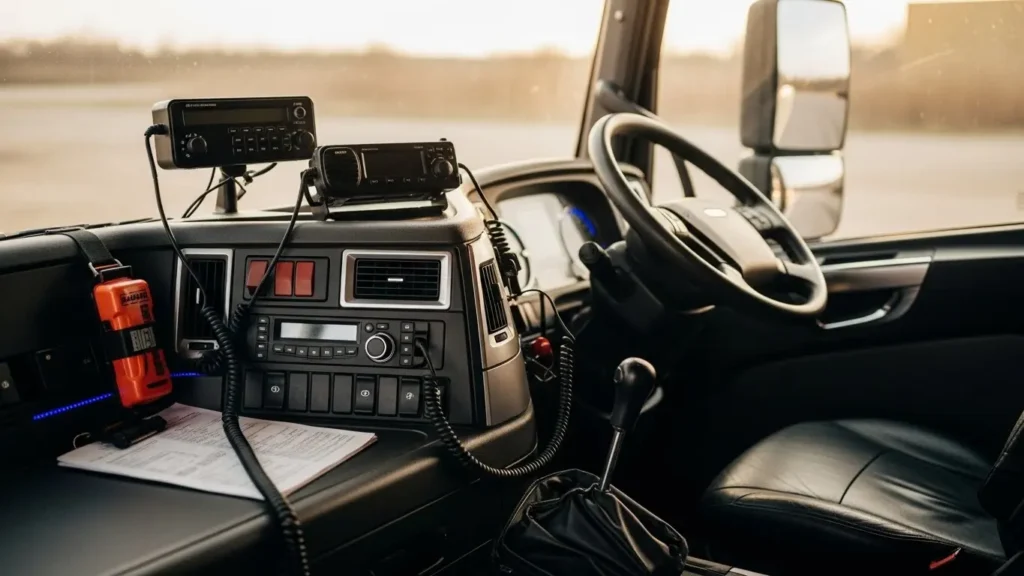
Before comparing insurance quotes for commercial trucks, you need to understand exactly what coverage components make up your policy. Most trucking operations need multiple types of coverage, and the way these coverages interact can significantly impact both your premium and your protection. Unlike simpler policies such as commercial renters insurance or business renters insurance that cover leased spaces, commercial truck policies are complex multi-coverage packages.
Primary Liability Coverage
Primary liability is the foundation of any commercial truck policy and typically represents a substantial portion of your total premium—often 40-60%, depending on your operation. This property and liability insurance component protects you when your truck causes injury or property damage to others.
| Coverage Component | What It Covers | Typical Limits | Premium Impact |
|---|---|---|---|
| Bodily Injury Liability | Injuries to others caused by your truck | $750K – $1M per occurrence | Significant portion |
| Property Damage Liability | Damage to others’ property | $100K – $1M per occurrence | Moderate portion |
| Combined Single Limit (CSL) | Total coverage for any one accident | $1M – $5M combined | Varies by limit |
Federal Requirements: If you operate interstate, FMCSA requires minimum liability limits based on your cargo type:
- General freight: $750,000 minimum
- Household goods: $750,000 minimum
- Hazardous materials: $1,000,000 – $5,000,000 depending on cargo class
In my experience placing coverage for trucking clients, I recommend carrying at least $1M in primary liability even when lower limits are legally permissible. A single serious accident can easily exceed $750,000 in damages, and the cost difference between minimum and adequate coverage is often relatively modest compared to the additional protection provided.
Physical Damage Coverage
Physical damage coverage protects your own trucks and typically includes two components:
Collision Coverage: Pays for damage to your truck from accidents, regardless of fault. Essential for financed or leased vehicles and recommended for any truck worth more than $20,000.
Comprehensive Coverage: Covers non-collision damage including theft, fire, vandalism, weather events, and animal strikes. This is similar to how business hazard insurance protects physical locations from unexpected perils. Particularly important for trucks stored outdoors or operating in high-crime areas.
| Truck Value | Recommended Deductible | Annual Premium Range* | Coverage Notes |
|---|---|---|---|
| Under $50,000 | $2,500 – $5,000 | Varies by insurer | Consider actual cash value |
| $50,000 – $100,000 | $2,500 – $5,000 | Varies by insurer | Stated value recommended |
| $100,000 – $200,000 | $5,000 – $10,000 | Varies by insurer | Agreed value policies available |
| Over $200,000 | $10,000+ | Varies by insurer | Specialized equipment endorsements |
Physical damage premiums typically range from 2-5% of vehicle value annually, though actual costs vary significantly based on insurer, deductible, driver history, and other factors.
Motor Truck Cargo Coverage
Cargo coverage protects the freight you’re hauling and is required by most brokers and shippers before they’ll tender loads to you. This coverage functions similarly to business personal property insurance but specifically for goods in transit rather than stationary assets.
Coverage Options:
- Named Perils: Covers specific listed risks (fire, theft, collision)—less expensive but more restrictive
- All-Risk: Covers all perils except specifically excluded items—more comprehensive, higher premium
A client running refrigerated freight asked me about cargo coverage last year. His broker was pushing a $100,000 limit, but after analyzing his typical loads, we determined he needed $250,000 to properly protect a full trailer of pharmaceuticals—his highest-value cargo. The additional premium was modest compared to the protection against a potential coverage gap.
Additional Coverage Types
| Coverage Type | Purpose | Who Needs It | Typical Cost Range* |
|---|---|---|---|
| Non-Trucking Liability | Coverage when not under dispatch | Owner-operators leased to carriers | $400 – $2,000/year |
| Trailer Interchange | Covers trailers you don’t own | Operations using broker trailers | $300 – $1,000/year |
| Refrigeration Breakdown | Mechanical breakdown of reefer units | Refrigerated freight haulers | $200 – $800/year |
| Earned Freight | Lost income from damaged cargo | All for-hire carriers | Often included or minimal cost |
Costs vary significantly by insurer, coverage limits, and risk factors. Obtain quotes for accurate pricing.
Insurance Quotes for Commercial Trucks Cost: 2026 Premium Analysis
Understanding what drives insurance quotes for commercial trucks cost helps you both budget accurately and identify opportunities to reduce your premiums. In my work with trucking clients, I’ve found that most operators significantly underestimate their insurance costs when starting out—and overpay at renewal because they don’t understand what’s driving their rates.
Average Premium Ranges by Operation Type
| Operation Type | Per-Truck Annual Premium* | Key Cost Drivers |
|---|---|---|
| Local delivery (box trucks) | $4,000 – $10,000 | Radius, cargo type, driver experience |
| Regional hauling | $8,000 – $16,000 | Miles driven, cargo, operating states |
| Long-haul OTR | $11,000 – $20,000+ | Miles, cargo value, driver tenure |
| Hazmat transport | $15,000 – $35,000+ | Cargo class, routes, safety record |
| Owner-operator (leased) | $3,000 – $6,000 | Authority type, dispatch arrangement |
| Owner-operator (own authority) | $9,000 – $18,000 | Experience, safety record, cargo |
| Fleet (10+ trucks) | $7,000 – $15,000 per unit | Fleet size discount, safety programs |
These ranges are general estimates based on industry data and my client experience. Actual premiums depend on specific operations, loss history, market conditions, and numerous other factors. Always obtain quotes from multiple sources for accurate pricing.
Primary Factors Affecting Your Premium
In my 18 years analyzing trucking insurance, I’ve identified the factors that most significantly impact your insurance quotes for commercial trucks cost:
| Factor | Impact Level | Controllable? | Optimization Strategy |
|---|---|---|---|
| Loss history (3-5 years) | Very High | Yes – over time | Safety programs, driver training |
| Driver experience/MVR | Very High | Yes – hiring | Minimum 2 years CDL experience |
| Cargo type | High | Limited | Accurate classification |
| Operating radius | High | Limited | Realistic radius declaration |
| Annual mileage | Moderate | Limited | Accurate reporting |
| Equipment age/value | Moderate | Yes | Deductible optimization |
| SAFER/CSA scores | High | Yes | Compliance management |
| Years in business | Moderate | No | Time builds credibility |
Note: The relative impact of each factor varies by insurer and market conditions. Loss history and driver records consistently have the greatest influence on premium.
How Claims History Impacts Your Quotes
A client with a 15-truck fleet came to me after their premium jumped significantly following two at-fault accidents in 18 months—in their case, an increase of over $100,000 annually. Managing commercial insurance claims effectively is critical to maintaining favorable rates. Here’s how loss history typically affects insurance quotes for commercial trucks:
| Claims History (3 years) | Premium Impact | Market Access |
|---|---|---|
| No claims | Often receives premium credit | All markets available |
| 1 minor claim (<$10K) | Typically base rate | Most markets available |
| 2-3 minor claims | Modest increase | Standard markets may be selective |
| 1 major claim (>$50K) | Significant increase | Limited market access |
| Multiple major claims | Substantial increase | Specialty/surplus markets likely |
| DOT violations + claims | Most severe impact | Very limited options |
Actual premium impacts vary significantly by insurer, severity, and other factors. Some carriers weigh claims more heavily than others.
How to Get Insurance Quotes for Commercial Trucks: Step-by-Step Process

Getting accurate, comparable insurance quotes for commercial trucks requires preparation and strategy. In my work with 600+ clients, I’ve developed a step-by-step buying checklist that consistently helps trucking operations secure better coverage at competitive rates.
Step 1: Gather Required Information
Before requesting quotes, compile this information to ensure accurate pricing:
Business Information:
- Legal business name and DBA
- Business structure (LLC, Corporation, Sole Proprietor)
- Federal EIN and MC/DOT numbers
- Years in business under current ownership
- Physical and mailing addresses
Equipment Schedule:
- Year, make, model for all vehicles
- VIN numbers
- Current value or purchase price
- Financing/lease information
- Trailer inventory (owned and non-owned)
Operations Profile:
- Primary cargo types hauled
- Operating radius (local, regional, OTR)
- Estimated annual mileage per unit
- States of operation
- Typical load values
Driver Information:
- Names, DOBs, CDL numbers for all drivers
- Years of CDL experience
- MVR (Motor Vehicle Records) for past 3 years
- Employment history (past 3 years minimum)
- Any accidents or violations
Loss History:
- Claims for past 5 years (all commercial policies)
- Loss runs from current carrier
- Description of any major claims
Step 2: Identify the Right Insurance Sources
| Source Type | Best For | Pros | Cons |
|---|---|---|---|
| Independent agents | Most operations | Multiple carrier access, advocacy | May lack trucking expertise |
| Trucking specialists | Complex operations | Deep expertise, market access | May have minimum premium requirements |
| Direct carriers | Simple operations | Potentially lower cost | Limited options, no advocacy |
| Wholesale brokers | Hard-to-place risks | Access to specialty markets | Additional markup possible |
My Recommendation: For most trucking operations, I recommend working with an independent agent who specializes in commercial trucking. They understand the unique coverage needs and have access to multiple markets. Some trucking companies even work with agents who also handle their other business needs like commercial rental insurance for leased facilities or commercial landlord insurance if they own their terminal property. A broker evaluation scorecard should include:
- [ ] Minimum 5 years trucking insurance experience
- [ ] Access to at least 5 trucking-focused carriers
- [ ] Understanding of FMCSA requirements
- [ ] Ability to explain coverage in plain language
- [ ] References from similar operations
Step 3: Request and Compare Quotes
When requesting insurance quotes for commercial trucks, ask each source for:
- Itemized premium breakdown by coverage type
- All available deductible options and their premium impact
- Explanation of any exclusions or limitations
- Payment plan options and any financing charges
- Carrier A.M. Best rating (look for A- or better)
Comparison Checklist:
| Element | Quote 1 | Quote 2 | Quote 3 |
|---|---|---|---|
| Total annual premium | $ | $ | $ |
| Primary liability limit | |||
| Physical damage deductible | $ | $ | $ |
| Cargo coverage limit | $ | $ | $ |
| Carrier A.M. Best rating | |||
| Payment plan available | Y/N | Y/N | Y/N |
| Down payment required | $ | $ | $ |
Step 4: Evaluate Beyond Price
The cheapest insurance quotes for commercial trucks isn’t always the best value. A client saved several thousand dollars annually by switching to a low-cost carrier, then spent months fighting a claim that their previous carrier would have paid promptly. Consider:
- Claims handling reputation: How does the carrier handle claims? Ask for references.
- Financial stability: Check A.M. Best ratings—consider avoiding carriers rated below B+.
- Policy language: Review exclusions carefully, especially for cargo and bobtail coverage.
- Service responsiveness: How quickly can you get certificates of insurance issued?
Insurance Quotes for Commercial Trucks Requirements: Federal and State Mandates
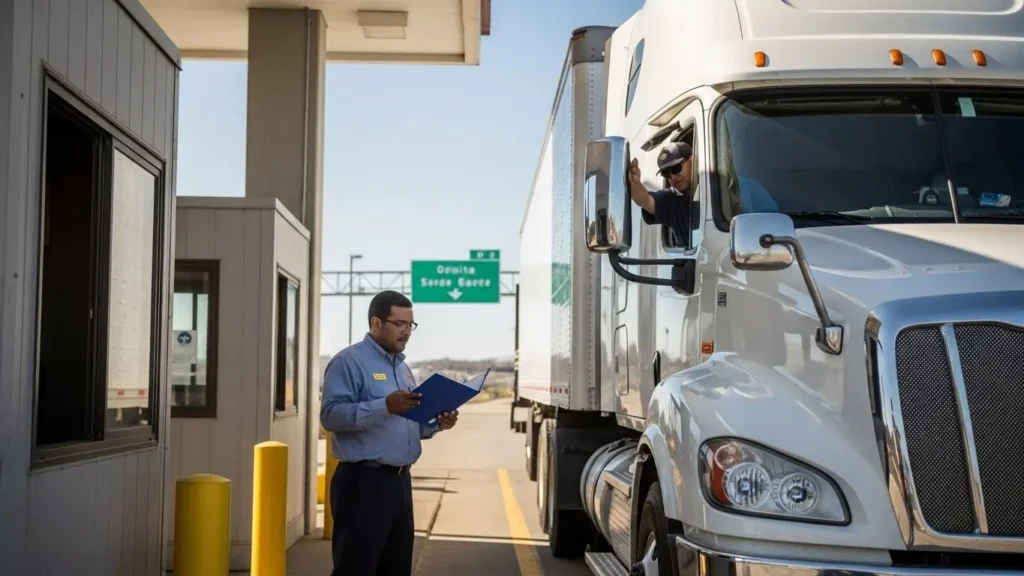
Understanding insurance quotes for commercial trucks requirements helps ensure you maintain legal compliance while avoiding unnecessary coverage. Requirements vary based on your operation type, cargo, and operating authority.
FMCSA Insurance Requirements
If you have interstate operating authority, FMCSA requires minimum insurance levels filed via Form BMC-91 or BMC-91X (liability) or BMC-34 (cargo):
| Authority Type | Liability Minimum | Cargo Minimum |
|---|---|---|
| General freight (non-hazmat) | $750,000 | Not federally required* |
| Household goods | $750,000 | $5,000 per vehicle / $10,000 per occurrence |
| Hazardous materials (non-bulk) | $1,000,000 | Not federally required* |
| Hazmat (bulk, Class A/B explosives) | $5,000,000 | Not federally required* |
| Oil transport (bulk) | $1,000,000 | Not federally required* |
Note: While cargo insurance isn’t federally mandated for most freight types, brokers and shippers contractually require it. Most require $100,000 minimum cargo coverage.
State-Specific Requirements
Individual states may impose additional requirements for intrastate operations. Common variations include:
| State | Additional Requirements | Notes |
|---|---|---|
| California | Higher PUC requirements | May range from $750K-$5M based on operation |
| Texas | TxDMV registration requirements | Varies by operation type |
| New York | State-specific filings | May require MCS-90 equivalent for intrastate |
| Florida | Higher minimums for certain cargo | Check current DHSMV requirements |
State requirements change periodically. Always verify current requirements with your state’s Department of Insurance or Motor Vehicles before relying on this information.
For operations crossing state lines, your policy should meet the highest requirement of any state where you operate.
Maintaining Compliance
Compliance failures can result in operating authority suspension, making insurance quotes for commercial trucks requirements essential knowledge:
| Violation | Consequence | Prevention |
|---|---|---|
| Lapsed coverage | Authority may be suspended (typically within 30-35 days) | Automatic payment, calendar alerts |
| Inadequate limits | Potential fines, operating restrictions | Annual coverage review |
| Missing filings | Authority may be placed out of service | Work with experienced agent |
| Certificate issues | Load rejections | Verify broker requirements |
Best Insurance Quotes for Commercial Trucks: Finding Quality Coverage
Finding the best insurance quotes for commercial trucks means balancing cost with coverage quality, carrier stability, and service. Here’s how to identify truly competitive quotes versus those that sacrifice protection for price.
Top-Rated Commercial Truck Insurance Carriers
| Carrier Category | Characteristics | Best For |
|---|---|---|
| National carriers | Wide coverage, strong ratings | Large fleets, complex operations |
| Regional specialists | Deep local expertise | Operations in specific territories |
| Trucking-focused insurers | Industry expertise | All trucking operations |
| Surplus lines | Flexible underwriting | Hard-to-place risks |
When evaluating carriers, check A.M. Best financial strength ratings. For commercial trucking, I recommend carriers rated A- (Excellent) or better to ensure claims-paying ability. While you may see insurance commercials from major carriers, specialized trucking insurers often provide better coverage and service for this niche market. Some trucking operations even explore Farmers Insurance commercial policies, though availability varies by region and operation type.
What Makes a Quote “Best”
The best insurance quotes for commercial trucks offer:
1. Appropriate Coverage Limits
- Liability meeting or exceeding federal/state requirements
- Physical damage values reflecting actual equipment worth
- Cargo limits matching your highest-value loads
2. Reasonable Deductibles
- Deductibles you can actually afford to pay
- Options that balance premium savings with out-of-pocket risk
3. Competitive Pricing
- Within market range for your operation type
- No unexplained surcharges or fees
- Clear premium breakdown
4. Strong Carrier Backing
- A.M. Best rating of A- or better
- Established claims handling reputation
- Financial stability to pay large claims
5. Service Quality
- Responsive certificate issuance
- 24/7 claims reporting
- Dedicated trucking expertise
Red Flags in Insurance Quotes
Watch for these warning signs when evaluating insurance quotes for commercial trucks:
| Red Flag | What It Means | Your Action |
|---|---|---|
| Price significantly below market | Coverage gaps or exclusions likely | Request detailed coverage comparison |
| Carrier you’ve never heard of | May be financially unstable | Check A.M. Best rating |
| Vague coverage descriptions | May not include standard protections | Request policy specimen |
| Pressure to buy immediately | Prevents comparison shopping | Take time to evaluate |
| No itemized breakdown | Hiding fees or coverage limits | Request detailed quote |
Cheap Insurance Quotes for Commercial Trucks: Cost-Saving Strategies That Work

While I caution against choosing coverage based solely on price, there are legitimate strategies to reduce your insurance quotes for commercial trucks cost without sacrificing essential protection.
Proven Premium Reduction Strategies
| Strategy | Potential Savings | Implementation Effort |
|---|---|---|
| Higher deductibles | Moderate to significant | Low – choose at quote |
| Safety program implementation | Modest to moderate | Medium – ongoing commitment |
| Driver training/selection | Moderate to significant | Medium – hiring and training |
| Telematics/ELD data sharing | Modest | Low – technology adoption |
| Fleet safety certification | Modest | Medium – formal program |
| Annual mileage optimization | Varies | Low – accurate reporting |
| Multi-policy bundling | Modest | Low – combine coverages |
| Payment plan selection | Modest | Low – pay annually if possible |
Actual savings vary significantly by insurer, operation type, and individual circumstances.
Deductible Optimization
One of the fastest ways to reduce your premium is choosing higher deductibles. Here’s how the math generally works:
| Physical Damage Deductible | Premium Impact | Break-Even Consideration |
|---|---|---|
| $1,000 (baseline) | Base rate | N/A |
| $2,500 | Modest savings | Lower premium offsets risk within 1-2 claims-free years |
| $5,000 | Significant savings | May require 2-3 claims-free years to offset increased exposure |
| $10,000 | Substantial savings | Best for operations with strong safety records |
My Recommendation: For operations with strong safety records, a $5,000 deductible often provides a good balance between premium savings and manageable out-of-pocket risk. The right deductible depends on your cash reserves and claims history.
Driver Selection Impact
Your drivers’ records significantly impact premium. Here’s what I advise clients:
Preferred Driver Profile:
- Minimum 2 years CDL experience (3+ years preferred)
- Clean MVR (no moving violations in 3 years)
- No at-fault accidents in 5 years
- Stable employment history
- Age 25 or older
Premium Impact by Driver Risk:
| Driver Profile | Premium Impact | Hiring Recommendation |
|---|---|---|
| Preferred (clean, experienced) | May receive credit | Hire confidently |
| Standard (minor violations) | Typically base rate | Acceptable with monitoring |
| Below standard (recent violations) | Likely surcharge | Consider carefully |
| High risk (multiple incidents) | Significant surcharge | Avoid or specialized programs only |
Safety Program ROI
Implementing a formal safety program costs money upfront but typically delivers positive ROI through:
- Premium credits from insurers
- Reduced claims frequency
- Lower CSA scores
- Improved driver retention
For example, one 25-truck fleet client invested in comprehensive safety program implementation (training, monitoring, incentives) and saw their annual premium decrease substantially in year two, along with significant claims cost reductions over three years.
Commercial Box Truck Insurance: Special Considerations
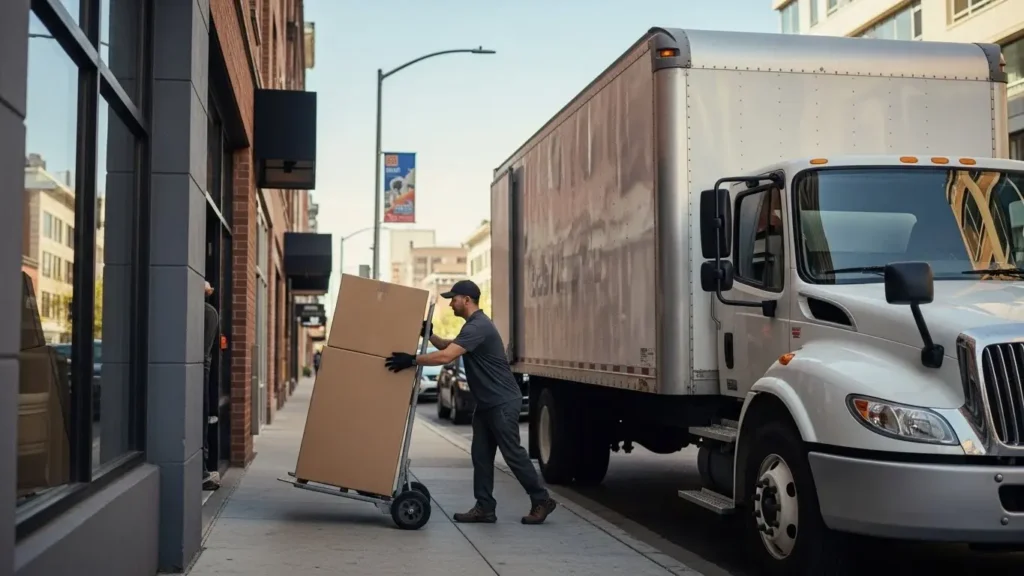
Commercial box truck insurance represents a significant segment of insurance quotes for commercial trucks, with unique coverage considerations for local delivery and last-mile operations.
Box Truck Coverage Specifics
| Operation Type | Primary Concerns | Recommended Coverage |
|---|---|---|
| Local delivery | Frequent stops, urban driving | Higher liability, lower cargo |
| Moving services | Customer property, loading/unloading | Cargo with customer goods endorsement |
| Food delivery | Temperature control, spoilage | Refrigeration breakdown, contamination |
| Retail distribution | High-value merchandise | Increased cargo limits |
Cost Comparison: Box Trucks vs. Semi-Trucks
| Factor | Box Truck (26,000 GVW) | Semi-Truck (80,000 GVW) |
|---|---|---|
| Average annual premium | Generally lower | Generally higher |
| Liability exposure | Lower (smaller vehicle) | Higher (more damage potential) |
| Physical damage cost | Lower (less vehicle value) | Higher (expensive equipment) |
| Cargo limits needed | Often $25,000 – $100,000 | Often $100,000 – $250,000 |
According to industry data, box truck insurance averages around $4,500-$5,500 annually while semi-trucks with full coverage typically range from $9,000-$18,000+ depending on operation type.
Temporary Commercial Vehicle Insurance
Some operations need temporary commercial vehicle insurance for short-term projects, seasonal work, or while waiting for permanent coverage to be issued. Options include:
- Short-term policies: Available from some specialty carriers for 30-90 day periods
- Binder coverage: Temporary proof of insurance while permanent policy is processed
- Rental truck coverage: For temporary equipment needs
Trucking Liability Insurance: Understanding Your Exposure
Trucking liability insurance forms the core of any commercial truck policy and directly impacts your insurance quotes for commercial trucks. Understanding your property liability insurance exposure helps ensure adequate coverage.
Types of Liability Exposure
| Exposure Type | Coverage Source | Risk Level |
|---|---|---|
| Third-party bodily injury | Primary auto liability | Very High |
| Third-party property damage | Primary auto liability | High |
| Cargo damage/loss | Motor truck cargo | Moderate to High |
| Environmental contamination | Pollution liability | Operation-dependent |
| Loading/unloading injuries | General liability or auto | Moderate |
Liability Limits: How Much Is Enough?
While federal minimums exist, they may prove inadequate for serious accidents. Consider:
| Scenario | Potential Damages | Recommended Coverage |
|---|---|---|
| Single fatality | Can exceed $1M – $5M+ | $1M minimum primary |
| Multiple injuries | Can reach $2M – $10M+ | $1M primary + umbrella |
| Hazmat incident | Can reach $5M – $50M+ | Maximum available limits |
| Property damage (structure) | $500K – $5M possible | $1M combined single limit |
Commercial umbrella insurance provides additional liability protection above your primary limits at relatively low cost. For those wondering what is commercial umbrella insurance, it’s essentially an extra layer of liability coverage that kicks in when your primary policy limits are exhausted. Business umbrella insurance (the terms are often used interchangeably) typically costs $2,000-$5,000 annually for $1M in additional coverage—a modest investment for significant protection. For trucking operations, I consider this essential coverage, not optional.
Business Property and Equipment Coverage
Beyond liability, protecting your physical assets requires specific coverage components. Understanding these helps you evaluate insurance quotes for commercial trucks comprehensively. Similar to how insurance for business property protects buildings and equipment, and insurance for commercial property covers larger facilities, your trucking operation needs specific coverage for mobile assets.
Equipment Protection Options
| Coverage Type | What It Protects | Cost Consideration |
|---|---|---|
| Physical damage (trucks) | Your owned vehicles | Typically 2-5% of vehicle value |
| Trailer coverage | Owned trailers | Typically 1-3% of trailer value |
| Trailer interchange | Non-owned trailers | Modest annual cost |
| Equipment floater | Tools, accessories | Modest annual cost |
| Terminal property | Buildings, facilities | Varies by value |
Business Interruption Insurance Coverage
Business interruption insurance coverage protects your income when covered losses prevent operations. For trucking, this might include:
- Downtime coverage: Pays daily amount when trucks are being repaired
- Earned freight: Compensates for freight charges lost due to covered cargo damage
- Extra expense: Covers costs to maintain operations during recovery
For example, one client’s truck was totaled in an accident, taking 6 weeks to replace. Their business income insurance paid for lost revenue during that period—coverage that cost relatively little compared to the protection it provided. This is particularly important for owner-operators who depend on a single vehicle for their livelihood.
Related Insurance Considerations for Trucking Businesses
While this guide focuses on insurance quotes for commercial trucks, trucking business owners often need additional coverage types to fully protect their operations.
Facility and Property Coverage
If you own or lease terminal facilities, consider:
- Commercial property insurance for buildings and structures
- Commercial landlord insurance if you lease space to other businesses
- General liability for premises-related incidents
Employee-Related Coverage
For operations with employees beyond drivers:
- Workers’ compensation (required in most states)
- Employment practices liability for HR-related claims
- What is commercial health insurance is a common question—it’s group health coverage for your employees, separate from your trucking policies
Understanding Coverage Differences
Many business owners confuse different coverage types. Here’s a quick clarification of terms you might encounter:
- Renters liability insurance coverage and tenant liability insurance coverage protect tenants leasing space—not relevant to vehicle coverage
- Renters insurance personal liability coverage is for residential tenants—completely separate from commercial trucking
- What is liability coverage for renters insurance pertains to apartment/home renters, not trucking operations
- Pet liability insurance for renters is another residential coverage unrelated to commercial trucking
The key distinction: commercial truck insurance protects your vehicles and operations, while other policy types protect different assets and exposures.
Claims Process: What to Expect

Understanding the claims process helps you navigate it successfully and demonstrates why carrier selection matters beyond just insurance quotes for commercial trucks pricing.
Immediate Steps After an Accident
At the Scene:
- Ensure safety and call 911 if injuries
- Exchange information with all parties
- Document everything (photos, witness info)
- Report to your carrier immediately (24/7 hotline)
- Do not admit fault or discuss coverage
Within 24-48 Hours:
- Provide written statement to your insurer
- Obtain police report
- Gather repair estimates (physical damage)
- Document all expenses and lost time
- Notify your broker/agent
Claims Timeline Expectations
| Claim Type | Initial Response | Investigation | Resolution |
|---|---|---|---|
| Minor physical damage | 24-48 hours | 1-2 weeks | 2-4 weeks |
| Major physical damage | 24 hours | 2-4 weeks | 4-8 weeks |
| Liability (injuries) | Same day | Weeks to months | Months to years |
| Cargo claims | 24-48 hours | 1-3 weeks | 2-6 weeks |
Timelines vary by carrier, claim complexity, and circumstances.
Protecting Your Interests During Claims
- Document everything in writing
- Don’t sign releases without understanding them
- Communicate through your agent when possible
- Keep all receipts for expenses incurred
- Follow up regularly on claim status
Frequently Asked Questions: Insurance Quotes for Commercial Trucks
How much does commercial truck insurance cost per month?
Insurance quotes for commercial trucks typically range from approximately $350 to $1,500+ per month per truck, according to industry data—though costs vary widely depending on your operation type, coverage limits, driver records, and claims history. Local delivery operations with box trucks generally fall in the lower range, while long-haul semi-trucks with comprehensive coverage typically cost more. The best way to determine your actual cost is to obtain quotes from multiple sources with your specific operation details.
What factors most affect my commercial truck insurance premium?
The biggest factors affecting your premium are your claims history, driver experience and MVR records, cargo type, and your SAFER/CSA scores. Operations with clean safety records, experienced drivers, and favorable CSA scores typically pay significantly less than those with claims, inexperienced drivers, or compliance issues. Your operating radius and annual mileage also impact pricing, though generally to a lesser degree. Each factor’s exact impact varies by insurer.
Do I need commercial truck insurance if I lease to a carrier?
If you lease your truck to a motor carrier, the carrier’s policy typically covers liability while you’re under dispatch. However, you’ll likely need non-trucking liability (bobtail) coverage for times when you’re not under dispatch—driving to/from home, personal use, or between assignments. You’ll also need physical damage coverage to protect your truck investment, as the carrier’s policy typically won’t cover damage to your equipment.
How can I lower my commercial truck insurance costs?
Legitimate strategies to reduce your premium include: increasing your deductibles, implementing a formal safety program, hiring experienced drivers with clean records, sharing telematics data with your insurer, and paying annually instead of monthly. Avoid lowering coverage limits below appropriate levels just to save money—the savings typically aren’t worth the exposure.
What’s the difference between primary liability and general liability for trucks?
Primary auto liability covers bodily injury and property damage you cause while operating your commercial truck. It’s required by FMCSA for interstate carriers and protects against third-party claims from accidents. General liability (sometimes called commercial general liability or CGL) covers non-driving exposures like slip-and-fall at your facility, property and liability insurance for business operations, and other non-vehicle-related claims. Most trucking operations need both.
How do I get insurance quotes for a new trucking company?
New trucking companies typically face higher premiums and limited carrier options due to lack of operating history. To get quotes: obtain your MC/DOT authority first, prepare driver MVRs and CDL information, document any prior trucking experience (even as an employee), work with a trucking insurance specialist who has access to new venture programs, and expect to pay higher rates for your first 2-3 years. Some carriers won’t quote new ventures at all, so specialist access is valuable.
What happens if I let my commercial truck insurance lapse?
A coverage lapse creates serious problems: your operating authority may be suspended (typically within 30-35 days), you may face fines for operating uninsured, and future insurance quotes for commercial trucks will likely be significantly higher. Carriers view lapses as high-risk indicators. If you can’t afford your premium, work with your agent to find alternatives before cancellation—options may include higher deductibles, reduced coverage, or payment plans.
Does commercial truck insurance cover my cargo?
Standard commercial truck liability policies do NOT cover cargo—that requires separate motor truck cargo coverage. Cargo coverage protects the freight you’re hauling against damage, theft, and loss. Most brokers and shippers require cargo coverage (typically $100,000 minimum) before they’ll tender loads to you. Without it, you’re personally responsible for cargo losses that could reach $100,000+ for a single trailer load.
How do CSA scores affect my insurance rates?
Your Compliance, Safety, Accountability (CSA) scores directly impact insurance availability and pricing. High BASIC scores (especially in Unsafe Driving, Hours of Service, and Crash Indicator categories) can significantly increase premiums or result in coverage declinations. Carriers review your SAFER snapshot during underwriting. Maintaining scores below intervention thresholds is essential for competitive insurance access.
Should I get annual or monthly commercial truck insurance?
Annual payment typically saves compared to monthly payment plans due to avoided financing charges and reduced administrative costs—savings often range from 5-10%, though this varies by carrier. However, monthly payment makes sense if you lack capital for annual premium, have seasonal operations, or need to preserve cash flow. Some carriers offer quarterly payment as a compromise. Regardless of payment plan, your coverage term is typically 12 months.
Insurance Quotes for Commercial Trucks Checklist
Before Requesting Quotes
- [ ] Gather all vehicle information (VINs, values, years)
- [ ] Compile driver list with CDL numbers and DOBs
- [ ] Request MVRs for all drivers
- [ ] Obtain loss runs from current carrier
- [ ] Document your MC/DOT numbers
- [ ] List all states of operation
- [ ] Calculate accurate annual mileage estimates
- [ ] Identify your cargo types and values
When Comparing Quotes
- [ ] Verify coverage limits match across quotes
- [ ] Compare deductible options
- [ ] Check carrier A.M. Best ratings
- [ ] Review all exclusions and limitations
- [ ] Calculate total cost including fees
- [ ] Confirm payment plan options
- [ ] Verify certificate issuance process
After Selecting Coverage
- [ ] Review policy documents carefully
- [ ] Verify filing completion (BMC-91, BMC-34 if applicable)
- [ ] Set up certificates of insurance process
- [ ] Calendar renewal date (90 days prior)
- [ ] Implement driver and vehicle change procedures
- [ ] Establish claims reporting protocol
- [ ] Schedule annual coverage review
Conclusion: Getting the Best Value on Your Commercial Truck Insurance
Getting competitive insurance quotes for commercial trucks requires preparation, comparison shopping, and understanding what you’re actually buying. In my 18 years advising trucking operations, I’ve seen businesses save significantly by following a systematic approach to insurance purchasing—and I’ve seen others suffer devastating losses because they prioritized price over proper coverage.
Some industry guidelines suggest targeting insurance costs at approximately 5-10% of gross revenue for most trucking operations, though this varies widely based on operation type and risk profile. If you’re significantly above typical ranges for your operation, there may be optimization opportunities. If you’re significantly below, you may have dangerous coverage gaps.
Remember: the cheapest insurance quotes for commercial trucks isn’t always the best value. A policy that pays claims promptly and provides appropriate coverage will serve your business far better than a cut-rate policy that fails when you need it most.
Whether you’re an owner-operator seeking your first policy or a fleet manager optimizing coverage for 50 trucks, the principles remain the same: understand your exposures, carry appropriate limits, work with knowledgeable specialists, and review your coverage annually. Your insurance is a critical business investment—treat it accordingly.
Coverage details, exclusions, and premiums vary by insurer, policy, and jurisdiction. Always review your specific policy documents and consult with qualified professionals before making insurance decisions.
This article provides general insurance information for educational purposes. Premium estimates represent typical ranges and vary based on your business, location, and risk profile. Consult a licensed broker for personalized advice. Data current as of January 2026.