

Disclaimer: This article is for informational purposes only and does not constitute legal, insurance, or financial advice. Insurance requirements and regulations vary by state and industry. Consult with a licensed insurance professional or attorney for guidance specific to your situation. Premium estimates represent typical ranges and vary based on your business, location, and risk profile. Data current as of January 2026.
In my 18 years advising over 600 small business clients on contractor coverage, the question “what liability insurance do painters actually need?” comes up constantly from trade professionals. A residential painting contractor with $180,000 in annual revenue asked me last quarter: “I’ve been painting houses for five years without insurance—am I really at risk?” The answer changed his perspective entirely when I explained that a single ladder fall or property damage claim could wipe out everything he’d built. For most painting businesses, liability insurance for painters represents one of the smartest investments any painting contractor can make. Here’s what you actually need to know.
The painting trade carries unique liability exposures that many contractors underestimate. Whether you’re doing interior residential work, exterior commercial projects, or specialty finishes, your business faces risks ranging from accidental property damage to third-party bodily injury claims. Understanding these risks—and having the right coverage in place—separates thriving painting businesses from those one lawsuit away from closure.
This guide covers everything painting contractors need to know about liability coverage in 2026: what policies you need, how much they cost, what affects your premiums, and exactly how to get the best liability insurance for painters quotes. I’ve helped dozens of painting contractors navigate this process, and the pattern I consistently observe is that informed buyers often secure better coverage at competitive rates.
Table of Contents
What Liability Insurance for Painters Actually Covers

Understanding what your liability insurance covers—and equally important, what it doesn’t cover—prevents expensive surprises when claims arise. In my work with 600+ clients across the trades, I’ve found that painters often carry the wrong coverage or insufficient limits because they didn’t fully understand their policy.
General Liability Insurance: Your Foundation Coverage
General liability insurance forms the foundation of protection for any painting business. This coverage responds to three primary categories of claims that painting contractors commonly face.
Third-Party Bodily Injury covers situations where someone other than you or your employees gets hurt because of your business operations. For painters, common scenarios include a homeowner tripping over your drop cloths, a passerby injured by a falling paint can, or a client’s family member having an allergic reaction to paint fumes in their home.
Third-Party Property Damage protects you when your work damages someone else’s property. Painters face significant property damage exposure: paint spills on hardwood floors, overspray on vehicles or neighboring properties, ladder marks on walls, and damage to landscaping from equipment. A client with a residential painting company told me about accidentally splattering paint on a customer’s valuable antique furniture—his general liability policy covered the entire claim plus legal defense costs.
Personal and Advertising Injury covers claims of libel, slander, copyright infringement, and certain privacy violations. While less common for painters, this coverage protects against situations like a competitor claiming you made false statements about their business.
| Coverage Component | What It Covers | Common Painter Claims |
|---|---|---|
| Bodily Injury | Third-party physical injuries | Customer trips on equipment, ladder falls near clients |
| Property Damage | Damage to others’ property | Paint spills, overspray, equipment damage to surfaces |
| Personal Injury | Reputation and privacy claims | Advertising disputes, defamation claims |
| Products-Completed Operations | Claims after job completion | Paint failure causing damage months later |
| Medical Payments | Minor injury medical costs | Small injuries without lawsuits (typically $5K-$10K limits) |
Products and Completed Operations Coverage
This critical coverage component protects painters after the job is done. If paint you applied fails and causes damage to a client’s property months or years later—peeling that damages underlying surfaces, improper prep leading to water intrusion, or color bleeding through finishes—completed operations coverage responds to these claims.
The pattern I consistently observe with painting contractors is that many don’t realize their general liability policy typically includes this coverage. Products-completed operations is generally included in standard commercial general liability policies, but limits may be shared with your general aggregate. For painters doing significant volume, consider whether your aggregate limits provide adequate protection across all your completed work.
Occurrence vs. Claims-Made Coverage Forms
Most general liability policies for painting contractors use an “occurrence” form, which covers claims arising from incidents that occur during the policy period, regardless of when the claim is filed. Some policies use a “claims-made” form, which covers claims made during the policy period for incidents that occurred after a specified retroactive date. Understanding your policy form affects how you manage coverage during policy changes or business transitions.
What General Liability Does NOT Cover
Understanding exclusions helps you avoid coverage gaps. Standard general liability policies for painters typically exclude:
| Exclusion | What’s Not Covered | Alternative Coverage |
|---|---|---|
| Your Own Injuries | Injuries to you or employees | Workers compensation insurance |
| Your Own Property | Damage to your equipment, tools, vehicles | Commercial property, inland marine |
| Professional Errors | Design advice errors, color consulting mistakes | Professional liability (E&O) |
| Vehicle Accidents | Auto-related injuries or damage | Commercial auto insurance |
| Intentional Damage | Deliberate property damage | None available |
| Pollution | Lead paint, chemical spills (standard policies) | Contractors pollution liability |
| Faulty Workmanship | Cost to redo your own poor work | None (business expense) |
Liability Insurance for Painters Cost: 2026 Pricing Guide
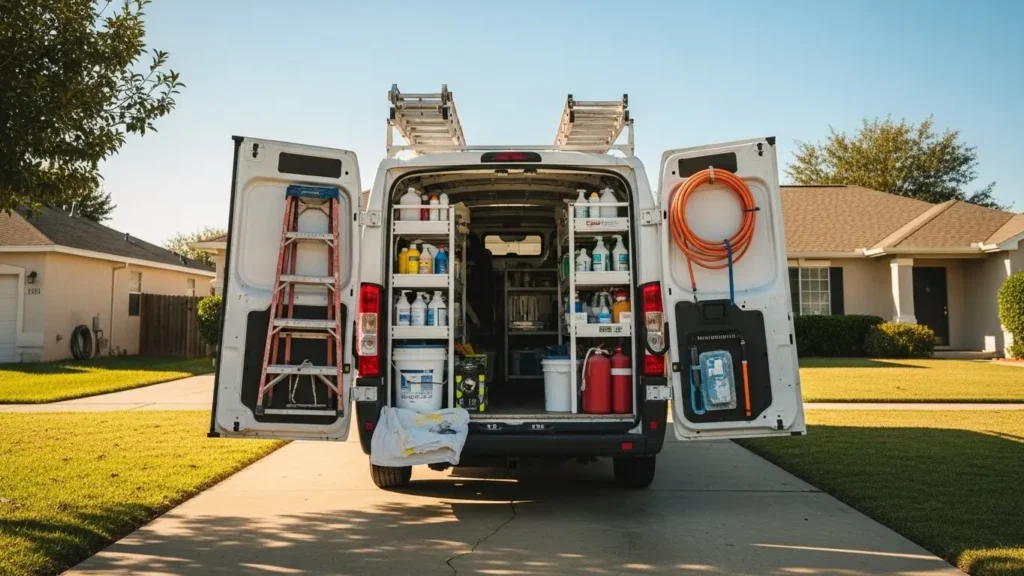
The question I hear most from painting contractors is straightforward: “What will liability insurance for painters cost me?” In my experience placing coverage for 400+ businesses, painting contractor premiums vary significantly depending on several key factors. Understanding these variables helps you budget accurately and identify opportunities to optimize your premium.
Important Note on Pricing: The following premium ranges represent general estimates compiled from industry sources and client placement experience. Actual premiums vary significantly based on your specific circumstances, claims history, location, carrier, and underwriting factors. Always obtain personalized quotes for accurate pricing.
Premium Ranges by Painting Business Type
| Business Type | Annual Revenue | Estimated GL Premium Range | Coverage Limits |
|---|---|---|---|
| Solo Residential Painter | Under $100K | Lower range | $1M/$2M |
| Small Residential Crew (2-3) | $100K – $250K | Low to moderate range | $1M/$2M |
| Established Residential | $250K – $500K | Moderate range | $1M/$2M |
| Commercial Painting | $500K – $1M | Moderate to higher range | $1M/$2M |
| Large Commercial Operations | $1M+ | Higher range | $2M/$4M |
| Industrial/Specialty Coatings | Varies | Significantly higher | Higher limits typical |
General estimates only. Actual premiums vary considerably by location, claims history, carrier, and specific business factors. Contact carriers or brokers for accurate quotes.
Premium Factors That Impact Your Liability Insurance for Painters Quotes
Understanding what drives your premium helps you present your business favorably to underwriters and identify legitimate cost reduction opportunities. The cost-benefit calculation reveals that certain factors have outsized impact on what you’ll pay.
Annual Revenue (Primary Factor): Most carriers use your gross annual revenue as the primary exposure base for painting contractors. Higher revenue means more jobs, more customer interactions, and statistically more opportunities for claims. A painter with higher annual revenue typically pays more than one with lower revenue—but the coverage-to-revenue ratio often improves at higher volumes.
Claims History (Major Factor): Your loss history dramatically impacts premiums. A single liability claim can significantly increase your premiums for several years. Multiple claims may make you difficult to place in the standard market, pushing you toward surplus lines carriers with higher premiums. The cheap liability insurance for painters that some contractors seek often becomes unavailable after a claim.
Geographic Location: Premium rates vary significantly by state and even by ZIP code. Areas with higher litigation frequency, more expensive medical costs, or stricter regulations typically see higher premiums. California, New York, and Florida painters generally pay more than those in states with lower litigation costs.
Type of Work Performed: Residential interior painting typically carries lower premiums than exterior work, commercial projects, or specialty applications. High-rise work, industrial coatings, bridge painting, and lead paint abatement command significantly higher premiums due to increased risk.
| Premium Factor | Impact Level | Your Control | Optimization Strategy |
|---|---|---|---|
| Annual Revenue | High | Indirect | Accurate reporting, growth planning |
| Claims History | High | High | Safety programs, quality control |
| Geographic Territory | Moderate | Low | Business location decisions |
| Work Type Mix | Moderate | Medium | Evaluate risk/reward by project type |
| Years in Business | Moderate | Time | Longevity demonstrates stability |
| Subcontractor Use | Moderate | High | Certificate requirements, careful selection |
| Deductible Selection | Variable | High | Balance cash flow vs. premium savings |
Cost by Business Size and Structure
Solo Painters and Side Businesses: If you’re painting part-time or as a solo operator, you may qualify for contractor-focused business owner policies (BOPs) that bundle general liability with property coverage at competitive rates. Some carriers offer pay-as-you-go options based on actual revenue, which can help new painters manage cash flow.
Small Crews (2-5 Painters): As you add employees or regular subcontractors, your premiums increase, but you also gain negotiating power with carriers. At this stage, you’ll also need workers compensation insurance, which adds significant annual cost depending on your state and payroll.
Established Operations: Painting businesses with higher revenue often find that working with independent agents accessing multiple carriers produces the best results. Premium efficiency may improve at scale, and you may qualify for scheduled rating credits based on your safety programs and loss history.
Deductible Options and Cost Impact
Choosing the right deductible balances your premium savings against your ability to absorb smaller losses. For painters, common deductible options range from $0 to $5,000 or higher. Higher deductibles generally reduce premiums but increase your out-of-pocket costs when claims occur.
| Deductible Level | Premium Impact | Best For |
|---|---|---|
| No deductible | Higher premium | Maximum protection, minimal cash reserves |
| Lower deductible ($500-$1,000) | Moderate savings | Most small painting contractors |
| Higher deductible ($2,500-$5,000+) | Greater savings | Well-capitalized businesses, strong loss control |
Industry-Specific Coverage Needs for Painting Contractors

Different painting specialties carry different risks, and understanding your specific exposure profile ensures you purchase appropriate coverage. A client with a specialty coatings business asked me: “Do I really need different coverage than a regular house painter?” The answer saved him from a significant coverage gap that would have left him exposed on industrial projects.
Residential Interior Painting
Residential interior work typically presents the lowest liability profile for painters. Primary exposures include property damage to flooring, furniture, and fixtures; client injuries from wet floors or displaced items; and completed operations claims if paint fails or causes damage.
Coverage Considerations:
- Standard general liability limits ($1M/$2M) typically sufficient
- Ensure completed operations coverage adequate for your project volume
- Consider inland marine coverage for tools and equipment
- Property damage deductibles appropriate for your typical job sizes
Residential Exterior Painting
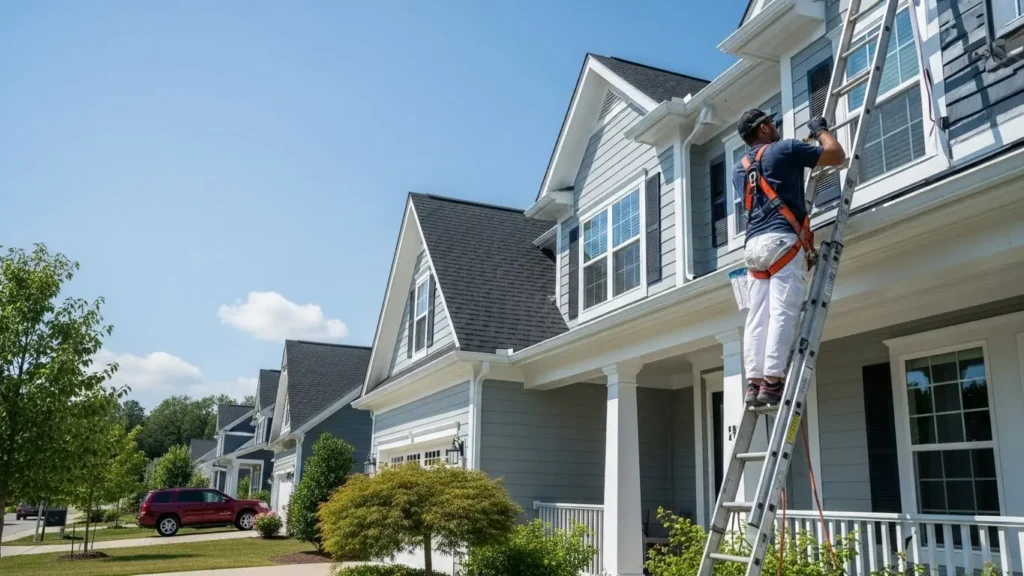
Exterior residential work adds exposures from height work, overspray onto neighboring properties, and environmental factors. Ladder injuries, paint overspray on vehicles and landscaping, and weather-related project complications create additional claim opportunities.
Coverage Considerations:
- Higher limits may be appropriate due to increased bodily injury exposure
- Verify overspray and drift coverage not excluded
- Consider umbrella coverage for serious injury claims
- Review completed operations for exterior coating failures
Commercial Painting
Commercial painting projects often involve higher-value properties, more stringent contract requirements, and greater bodily injury exposures from public access areas. General contractors and property owners typically require higher limits and additional insured status.
Coverage Considerations:
- $1M/$2M minimum, often $2M/$4M required by contracts
- Additional insured endorsements for GCs and property owners
- Waiver of subrogation endorsements common requirement
- Primary and noncontributory language may be required
Specialty Coatings and Industrial Painting
Industrial coatings, epoxy applications, and specialty finishes carry unique exposures including product failure, surface preparation issues, and potential environmental concerns. This segment often requires specialized coverage beyond standard general liability.
Coverage Considerations:
- Higher limits typically required ($2M/$4M or more)
- Professional liability may be needed for specification consulting
- Contractors pollution liability for chemical overspray
- Installation floater for materials during application
- Completed operations limits adequate for high-value projects
Lead Paint Abatement and Remediation
Painters working with lead paint face significant additional exposures. Standard general liability policies typically exclude pollution-related claims, leaving lead paint contractors vulnerable without proper coverage.
Coverage Considerations:
- Contractors pollution liability required (not optional)
- Lead abatement certification verification
- EPA RRP Rule compliance documentation
- Higher limits due to health-related claim potential
- Completed operations especially critical
| Painting Specialty | Key Risks | Essential Coverages | Typical Limits |
|---|---|---|---|
| Residential Interior | Property damage, minor injuries | GL, completed operations | $1M/$2M |
| Residential Exterior | Height injuries, overspray | GL, completed operations, umbrella | $1M/$2M |
| Commercial | Contract requirements, public injury | GL, additional insured, umbrella | $2M/$4M |
| Industrial/Specialty | Product failure, environmental | GL, professional liability, pollution | $2M/$4M+ |
| Lead Abatement | Health claims, EPA compliance | GL, pollution liability, professional | $2M/$4M+ |
Liability Insurance for Painters Requirements: State and Contract Mandates

Understanding when liability insurance is legally required versus contractually required helps you prioritize your coverage decisions. In my work advising contractors across multiple states, the pattern I consistently observe is that most painters need coverage regardless of state mandates simply to operate competitively.
State Licensing Requirements
Most states don’t legally mandate general liability insurance for painting contractors at the state level. However, many states require contractor licensing for painting work above certain thresholds, and licensing may require proof of insurance.
States with Contractor Licensing Requirements That May Affect Painters:
- California: Contractors State License Board may require insurance for licensed contractors
- Arizona: May require bonding and insurance for certain residential work
- Louisiana: Residential building contractors may need insurance
- Nevada: Contractor licensing may require insurance proof
- Oregon: Construction contractors may be required to carry insurance
Important: Requirements vary significantly by state, municipality, and project type. Some cities and counties impose insurance requirements even when states don’t. For example, painters seeking insurance for small business nj operations should verify both state contractor requirements and local municipal regulations. Always verify current requirements with your state contractor licensing board and local building department.
Contract Requirements: The Real Driver
Regardless of state requirements, most commercial work and professional residential projects require liability coverage. The practical reality for painting contractors is that insurance requirements come from:
General Contractors: Nearly all GCs typically require subcontractors to carry general liability insurance, often $1M/$2M minimum, frequently with additional insured status naming the GC.
Property Owners and Managers: Commercial property owners, HOAs, and property management companies routinely require certificates of insurance before allowing work on their properties.
Residential Clients: Increasingly, informed homeowners request proof of insurance before hiring contractors. This trend has accelerated as consumers become more risk-aware.
Lenders and Mortgage Companies: For some financed projects, lenders may require contractors to carry liability insurance.
| Requirement Source | Typical Limits | Additional Requirements |
|---|---|---|
| General Contractors | $1M/$2M minimum | Additional insured, waiver of subrogation |
| Commercial Property Owners | $1M/$2M or higher | Certificate of insurance, ongoing requirements |
| HOAs and Property Managers | $1M/$2M | Additional insured, compliance documentation |
| Residential Clients | Any coverage | Proof of current coverage |
| Government/Municipal Projects | $2M/$4M+ | Bonding, additional certifications |
Certificate of Insurance Requirements
When clients or GCs request proof of coverage, you’ll provide a certificate of insurance (COI). Understanding COI requirements helps you meet contract obligations without unnecessary delays.
Standard COI Elements:
- Named insured (your business)
- Policy numbers and effective dates
- Coverage types and limits
- Certificate holder information
- Additional insured status when required
Important Note: A certificate of insurance provides evidence of coverage but does not modify or extend the underlying policy. The policy itself governs actual coverage.
Common Additional Insured Requirements for Painters:
- General contractors named as additional insured
- Property owners added for premises liability
- Project-specific additional insured endorsements
- Ongoing operations vs. completed operations additional insured
The step-by-step buying checklist I recommend includes verifying your policy allows additional insured endorsements before binding coverage—some lower-cost policies restrict this capability, creating problems when you need to meet contract requirements.
Sub-Pillar Navigation: Comprehensive Painting Contractor Resources
For deeper information on specific topics related to painting business insurance and contractor coverage, explore these related resources:
Painting-Specific Resources
- Painting Business Insurance — Complete coverage guide for painting company owners
- Insurance for Painting Business — Essential policies every painter needs
- Pressure Washing Business Insurance — Coverage for painters offering pressure washing services
General Contractor Resources
- Contractor Insurance — Comprehensive contractor coverage comparison and requirements
- Contractor and Insurance — Understanding the relationship between contracting work and coverage needs
- Construction Liability Insurance — Understanding liability coverage for construction trades
- General Contractor Insurance Cost — Understanding GC coverage costs and requirements
- Subcontractor Insurance — Requirements when working under general contractors
Trade-Specific Insurance Guides
- Electrician Liability Insurance — Coverage requirements for electrical contractors
- Electrical Contractor Insurance — Complete guide to electrician coverage needs
- Electrical Contractor Insurance Cost — Pricing factors for electrical trade coverage
- Plumbing Business Insurance — Insurance essentials for plumbing contractors
- Plumbing Liability Insurance — Liability coverage for plumbing professionals
- HVAC Business Insurance — Coverage for heating and cooling contractors
- HVAC Contractor Insurance — Complete HVAC coverage requirements
- Handyman Liability Insurance — Multi-trade coverage for handyman services
- Landscaping Business Insurance — Coverage for landscaping and lawn care businesses
Independent Contractor Resources
- Independent Contractor Insurance — Coverage options for self-employed painters
- Independent Contractor Liability Insurance — Liability-specific guidance for independents
- Insurance for Independent Contractors — Complete guide to solo contractor coverage
- Workers Compensation Insurance for Contractors — WC coverage for painting crews
Step-by-Step Guide to Getting the Best Liability Insurance for Painters Quotes

Getting competitive liability insurance for painters quotes requires preparation and strategy. In my 18 years advising small business owners, I’ve developed a systematic approach that consistently produces better outcomes than random quote shopping.
Step 1: Assess Your Coverage Needs
Before requesting quotes, document your business operations thoroughly. Carriers need accurate information to provide meaningful quotes, and underestimating your exposure leads to coverage gaps while overestimating wastes premium dollars.
Information to Gather:
- Annual gross revenue (actual and projected)
- Number of employees and subcontractors
- Payroll breakdown by job classification
- Types of painting work performed (residential, commercial, specialty)
- Geographic service area
- Years in business under current ownership
- Claims history for past 5 years
- Current coverage (if any) with policy details
Step 2: Determine Appropriate Coverage Limits
For most painting contractors, I recommend starting with $1M per occurrence/$2M aggregate limits for general liability. This provides adequate protection for typical claims while meeting most contract requirements.
Coverage Limit Considerations by Business Size:
| Annual Revenue | Recommended GL Limits | Consider Umbrella |
|---|---|---|
| Under $250K | $1M/$2M | Optional |
| $250K – $500K | $1M/$2M | $1M umbrella |
| $500K – $1M | $1M/$2M or $2M/$4M | $1M-$2M umbrella |
| Over $1M | $2M/$4M | $2M+ umbrella |
Step 3: Identify Quote Sources
Different distribution channels offer different advantages. The broker evaluation scorecard I use with clients weighs access to carriers, service capability, and pricing competitiveness.
| Quote Source | Pros | Cons | Best For |
|---|---|---|---|
| Independent Agents | Multiple carrier access, advice, advocacy | May not access all markets | Most painting contractors |
| Online Marketplaces | Quick quotes, convenient comparison | Limited advice, may miss nuances | Simple operations, price comparison |
| Direct Carriers | Potentially competitive pricing | Single option, no comparison | When specific carrier is known |
| Trade Associations | Group rates, industry expertise | Limited carrier options | Association members |
My Recommendation: For most painting contractors seeking the best liability insurance for painters quotes, start with an independent agent who specializes in contractor coverage. They can access multiple carriers, provide coverage advice, and advocate during claims. Supplement with one or two online quotes for comparison.
Step 4: Request and Compare Quotes
When requesting quotes, provide consistent information to all sources for accurate comparison. Inconsistent details lead to quotes that can’t be meaningfully compared.
Quote Comparison Checklist:
| Coverage Element | Quote 1 | Quote 2 | Quote 3 |
|---|---|---|---|
| Per-Occurrence Limit | $ | $ | $ |
| General Aggregate | $ | $ | $ |
| Products-Completed Ops | $ | $ | $ |
| Deductible | $ | $ | $ |
| Additional Insured Available | Y/N | Y/N | Y/N |
| Annual Premium | $ | $ | $ |
| Payment Options | |||
| Carrier A.M. Best Rating |
Step 5: Evaluate Carriers and Coverage Terms
The cheapest liability insurance for painters quotes isn’t always the best value. Evaluate carriers and coverage terms carefully before making your decision.
Carrier Financial Strength: Verify the carrier has an A.M. Best rating of A- or better. Lower-rated carriers may offer cheap liability insurance for painters but may carry higher risk of financial difficulties when you need claims paid.
Coverage Form: Not all policies are created equal. Review the coverage form to understand exclusions, conditions, and limitations. Some low-cost policies have restrictive terms that may leave you exposed.
Claims Handling Reputation: Research carrier claims handling. A carrier that’s difficult during claims may cost more in frustration and uncovered losses than premium savings justify.
Additional Insured Capability: Ensure the policy allows additional insured endorsements without excessive charges or restrictions. This capability is essential for commercial work and GC relationships.
Step 6: Bind Coverage and Implement
Once you’ve selected coverage, work with your agent to bind the policy and implement your insurance program properly.
Implementation Checklist:
- Review policy documents when received
- Set up certificate issuance process
- Document additional insured procedures
- Establish claims reporting protocols
- Calendar renewal dates
- File policy documents securely
Common Coverage Gaps and How to Fill Them
In my work with 600+ clients, certain coverage gaps appear repeatedly among painting contractors. Identifying and addressing these gaps before claims occur saves significant money and stress.
Coverage Gap Priority Matrix for Painters
| Coverage Gap | Risk Level | How Common | Priority |
|---|---|---|---|
| No general liability | Critical | Less common among professionals | Immediate |
| Inadequate limits | High | Common | High |
| No workers comp (with employees) | Critical | Common in small crews | Immediate |
| No commercial auto | High | Very common | High |
| No tools/equipment coverage | Medium | Very common | Medium |
| No umbrella coverage | Medium | Common | Medium |
| No pollution coverage (specialty work) | High (if applicable) | Common in specialty | High if needed |
General Liability vs. Workers Compensation Gap
Many painting contractors confuse general liability with workers compensation. General liability covers third-party claims—injuries to clients, property damage to customer homes. Workers compensation covers injuries to you and your employees while working.
Critical Distinction: If you have employees and one gets injured on a job site, your general liability policy won’t cover their medical bills or lost wages. You need workers compensation for employee injuries, and most states legally require workers compensation once you have employees, though requirements vary by state and number of employees.
Tools and Equipment Gap
Standard general liability policies don’t cover damage to or theft of your painting equipment—sprayers, ladders, scaffolding, power washers, and other tools. An inland marine or tools floater policy protects your equipment investment.
Coverage Options:
- Inland marine policy (scheduled or blanket)
- Business personal property coverage
- Contractor’s equipment floater
For painting contractors with significant equipment investment, I typically recommend blanket inland marine coverage with limits sufficient to replace all tools and equipment.
Commercial Auto Gap
Personal auto insurance typically excludes business use, leaving painters uninsured when driving personal vehicles to job sites with equipment, transporting employees, or driving company-branded vehicles.
Solutions:
- Commercial auto policy (for business-owned vehicles)
- Hired and non-owned auto coverage (for personal vehicles used in business)
- Proper endorsements on personal policies (limited solution)
Understanding the Claims Process for Painting Contractors
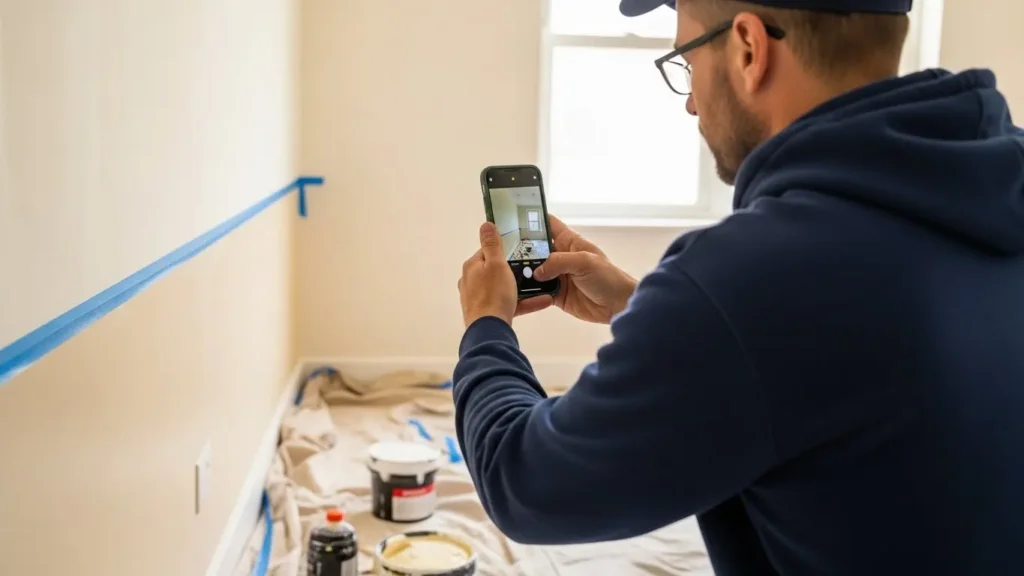
Knowing how to handle claims properly protects your coverage and supports favorable outcomes. The claims documentation protocol I recommend to clients follows specific steps that maximize your protection.
When to Report Claims
Report potential claims to your carrier promptly when:
| Situation | Action Required | Timeline |
|---|---|---|
| Written demand or lawsuit received | Immediate notification | As soon as possible |
| Verbal complaint suggesting claim | Document and notify | Promptly |
| Property damage you caused | Document and notify | Immediately |
| Injury on or near your work area | Document and notify | Immediately |
| Customer dissatisfaction with potential escalation | Document and consult | Promptly |
Documentation Best Practices
Proper documentation significantly impacts claim outcomes. Develop a habit of documenting every job, not just when problems occur.
Documentation Checklist:
- Dated photos before, during, and after every project
- Written scope of work signed by client
- Change order documentation
- Material specifications and safety data sheets
- Daily job notes and crew assignments
- Subcontractor certificates and agreements
- Client communications (saved emails, noted phone calls)
Claims Process Timeline
| Phase | Typical Timeline | Your Role | Carrier Role |
|---|---|---|---|
| Notification | Immediate | Report claim with documentation | Acknowledge receipt |
| Investigation | Variable | Provide information, cooperate | Gather facts, assess coverage |
| Reservation of Rights | Variable | Review letter, consult if needed | Issue if coverage questions exist |
| Resolution | Variable | Participate as requested | Negotiate, defend, or settle |
| Closure | Upon resolution | Verify release terms | Issue payments, close file |
Special Situations Requiring Additional Consideration
Certain painting business situations require extra attention to ensure proper coverage. In my experience advising contractors, these scenarios frequently create confusion or gaps.
New Painting Business Startups
Starting a new painting business presents unique insurance challenges. Limited operating history makes risk assessment difficult for carriers, but coverage is essential from day one.
Startup Considerations:
- Some carriers won’t write new businesses; others specialize in them
- Expect slightly higher premiums initially due to lack of experience data
- Accurate revenue projections help with pricing
- Prior painting experience (even as employee) can help underwriting
- Consider contractor programs designed for new businesses
Using Subcontractors
When you hire subcontractors for painting projects, you may be liable for their work. Proper subcontractor management protects your business.
Subcontractor Requirements:
- Obtain certificates of insurance before work begins
- Verify coverage limits meet your contract requirements
- Require additional insured status naming your company
- Maintain certificates on file for each subcontractor
- Track certificate expiration dates and renewals
Working Under General Contractors
When painting as a subcontractor under GCs, you’ll encounter specific insurance requirements and compliance expectations.
Common GC Requirements for Painter Subs:
- General liability $1M/$2M minimum
- Workers compensation (statutory limits)
- Commercial auto $1M combined single limit
- Umbrella $1M (varies by GC and project)
- Additional insured status for GC
- Waiver of subrogation endorsement
- Primary and noncontributory language
- Certificate of insurance before starting work
Transitioning or Retiring from Your Painting Business
When closing or selling a painting business, liability for past work doesn’t disappear. Completed operations claims can arise years after work is performed.
Transition Considerations:
- Maintain coverage through final project completion
- Consider extended reporting period (tail coverage) for completed operations
- Document all completed work thoroughly
- Transfer coverage properly in business sale situations
- Understand statute of limitations in your state
Liability Insurance for Painters FAQ
What is the average cost of liability insurance for painters?
Painting contractor premiums for general liability insurance with $1M/$2M limits vary significantly based on annual revenue, claims history, geographic location, type of work, and carrier selection. Solo residential painters typically pay less, while commercial painting operations with higher revenue pay more. Getting multiple liability insurance for painters quotes helps you find competitive pricing for your specific situation. Contact carriers or brokers for accurate quotes based on your circumstances.
Do I need liability insurance to paint houses?
While most states don’t legally require general liability insurance for residential painters, you practically need it to operate professionally. Most informed homeowners request proof of insurance before hiring contractors. General contractors typically require subcontractor coverage. Beyond requirements, a single claim can exceed your business assets—making insurance essential risk management regardless of mandates.
What does painters liability insurance cover?
Painters liability insurance typically covers third-party bodily injury (customer or bystander injuries caused by your operations), property damage (paint spills, overspray, equipment damage to customer property), personal and advertising injury (certain reputation and privacy claims), and products-completed operations (claims arising from work after you complete it). It typically doesn’t cover your injuries, damage to your equipment, auto accidents, or intentional damage. Coverage is subject to policy terms, conditions, and exclusions.
How can I get cheap liability insurance for painters?
To get competitive rates: maintain a clean claims history through quality work and safety practices; compare quotes from multiple carriers through an independent agent; consider higher deductibles if you have cash reserves; bundle coverages (GL plus property or auto) for multi-policy discounts; accurately report revenue without overestimating; and ask about available discounts for safety programs, experience, or payment methods. Remember that the cheapest policy isn’t always the best value—coverage quality matters.
What’s the difference between general liability and workers compensation for painters?
General liability covers claims from third parties—customers, property owners, and bystanders injured or whose property is damaged by your operations. Workers compensation covers injuries to you and your employees that occur during work. They protect against completely different risks and both are typically needed. If an employee falls from a ladder and breaks an arm, that’s workers comp. If a customer trips on your drop cloth and breaks an arm, that’s general liability.
Do I need insurance as a solo painter with no employees?
Yes. Even without employees, you face general liability exposure for property damage and third-party injuries. You may also want inland marine coverage for your tools and equipment, commercial auto coverage if you use a vehicle for business, and potentially umbrella coverage for catastrophic claims. Workers compensation requirements for sole proprietors vary by state—some states require it, others allow exemption.
What liability limits do painting contractors need?
Most painting contractors should carry at least $1M per occurrence and $2M aggregate limits. Commercial work often requires these limits contractually. Larger operations or those doing high-value projects should consider $2M/$4M limits or adding an umbrella policy. Contract requirements from general contractors typically specify minimum limits—review requirements before accepting work to ensure your coverage qualifies.
How long does it take to get liability insurance for painters?
With proper documentation ready, you can often get quoted and coverage bound within a few business days for standard painting operations. Complex situations (large operations, claims history, specialty work) may require additional underwriting time. Having your business information organized—revenue figures, employee count, work types, and claims history—speeds the process significantly.
Does liability insurance cover paint overspray damage?
Standard general liability policies typically cover accidental overspray damage to third-party property, subject to policy terms and conditions. However, some policies may have exclusions or limitations for certain types of overspray or pollution-related claims. If you do significant exterior work or spray applications, verify your policy doesn’t exclude overspray claims and consider whether you need additional pollution coverage for chemical-related exposures.
What happens if I’m sued without insurance?
Without liability insurance, you’re personally responsible for all defense costs and any judgment or settlement. A single significant claim can result in personal asset exposure, including your home, savings, and future earnings depending on your business structure. Legal defense costs alone can be substantial even for claims you ultimately win. This is why liability insurance for painters represents essential business protection regardless of legal requirements.
Market Outlook for Liability Insurance for Painters in 2026
Understanding current market conditions helps you time your insurance purchases and renewals effectively. The cost-benefit calculation reveals that market cycles significantly impact what you’ll pay.
Current Market Conditions
The contractor insurance market in 2026 remains generally competitive for well-qualified painting businesses. Capacity is available from multiple markets for most painting contractors without significant claims.
General Market Indicators:
- Rates for standard painting operations: generally stable with modest adjustments
- Carriers actively competing for clean accounts
- Capacity available from multiple markets
- Technology enabling faster quoting and binding
- New entrants providing competition in small contractor segment
Shopping and Renewal Timing
Best Times to Shop:
- 60-90 days before renewal for best carrier selection
- When adding employees or significantly changing operations
- After a claim-free period to potentially improve pricing
- When contract requirements necessitate limit or coverage changes
Renewal Strategy:
The annual renewal review process I recommend includes requesting renewal terms 60 days early, comparing to competitive quotes, reviewing coverage for adequacy, and negotiating where appropriate. Even if you stay with your current carrier, this process helps ensure you’re getting fair pricing.
Action Checklist for Painting Contractors
Immediate Actions
Complete these steps immediately if you’re operating without proper coverage:
- [ ] Inventory your current coverage (or lack thereof)
- [ ] Document annual revenue, employee count, and work types
- [ ] Identify contract requirements from regular clients/GCs
- [ ] Request quotes from 3+ sources
- [ ] Select and bind appropriate coverage
- [ ] Set up certificate issuance process
Short-Term Actions (30-60 Days)
- [ ] Review coverage limits against contract requirements
- [ ] Evaluate workers compensation needs (if you have employees)
- [ ] Assess equipment coverage adequacy
- [ ] Implement documentation practices for all jobs
- [ ] Establish subcontractor certificate requirements
- [ ] Review commercial auto coverage needs
Ongoing Risk Management
- [ ] Maintain clean claims history through quality work
- [ ] Document all jobs with photos and written agreements
- [ ] Keep certificates current for subcontractors
- [ ] Review coverage at least annually
- [ ] Update carrier on business changes promptly
- [ ] Train crew on safety and loss prevention
Disclaimer: Coverage details, exclusions, and premiums vary by insurer, policy, and jurisdiction. Always review your specific policy documents and consult with qualified professionals before making insurance decisions. This article provides general insurance information for educational purposes only and does not constitute legal, insurance, or financial advice.