Tools and comparisons
- Calculator on FiftyCalc
Car Insurance Deductible Calculator (calculator on FiftyCalc)
- Calculator on FiftyCalc
Actual Cash Value Calculator (calculator on FiftyCalc)
Collision coverage
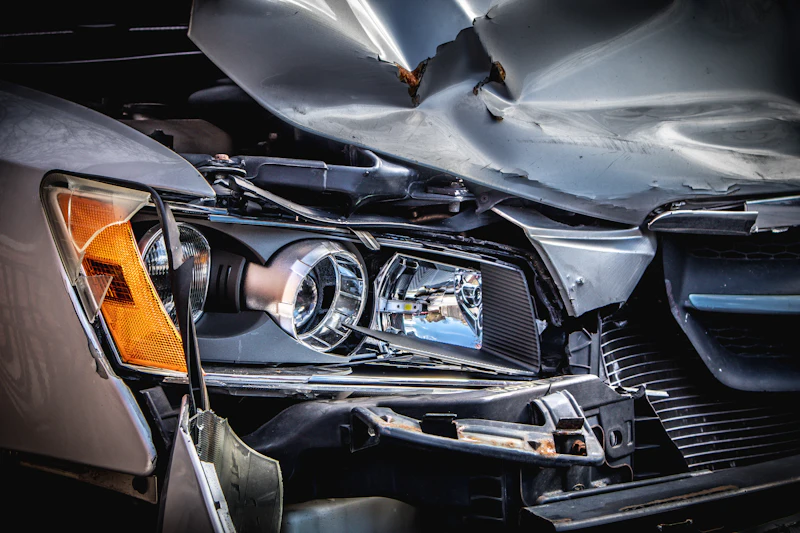
The NAIC says collision coverage is optional and not required by law, but it may be required by your lender or lessor. Florida's Department of Financial Services describes collision as paying for the repair or actual cash value of your car if it collides with another vehicle, flips over, or collides with another object, except animals.
Comprehensive coverage
The NAIC notes that comprehensive also covers broken glass, such as windshield damage, and that you are not required by law to carry it. In Florida, comprehensive covers fire, theft, windstorm, vandalism, flood, falling objects, or colliding with an animal, and windshield glass claims are not subject to a deductible. The NAIC says comprehensive is less expensive than collision but is also optional.
Advertisement
From this site
Each statement is tied to a dated passage of an official source.
Deductibles and limits
The Texas Department of Insurance explains that you must pay a deductible for collision, comprehensive, and uninsured or underinsured motorist claims. In the Texas Department of Insurance's example, a $1,500 collision claim with a $500 deductible leads the company to deduct $500 and pay $1,000. The Texas Department of Insurance says collision and comprehensive coverages do not have dollar limits, unlike liability and other coverages, but companies pay for repairs or replacement only up to the car's actual cash value. Florida's toolkit lists common deductibles of $250, $500, and $1,000 for both comprehensive and collision coverage.
When a car is totaled
The Texas Department of Insurance says companies pay for repair or replacement of your car only up to its actual cash value, which is the cost to replace your car minus depreciation. Asked whether a company can pay less than the Blue Book value for a totaled vehicle, the NAIC answers yes, because the Blue Book is only a guide and the company is required to pay what your vehicle was actually worth as a used car the moment before the crash. If you still owe money on your car, the payment for a totaled car might not be enough to pay off your loan.
Common questions
Does my lender require these coverages?
The Texas Department of Insurance states that if you still owe money on your car, your lender will require you to have collision and comprehensive coverage.
What this page does not cover
This page explains what collision and comprehensive coverage pay and does not compare insurance companies or prices. This page does not say whether to buy these optional coverages.
Sources
- Auto Insurance, National Association of Insurance Commissioners (NAIC). Read November 18, 2026.
Can the insurance company pay me less than Blue Book for my …
- Auto insurance guide, Texas Department of Insurance. Read November 18, 2026.
Actual cash value is the cost to replace your car, minus depreciation.
- Automobile Insurance Toolkit, Florida Department of Financial Services. Read November 18, 2026.
Collision (common deductibles $250, $500 or $1,000)
We cite a few words and link to the official text. Full copies are kept as internal records, not republished.
Every statement on this page is tied to an official source that we copied and dated. We do not sell insurance and we do not recommend companies. Editorial policy, Data sources.
We don't sell insurance and rank no insurer. How we make money